
Reliable Quality China Manufacture Dichloroacetic Acid with CAS 79-43-6
product description


As a high-reactivity acylating agent and key intermediate, DCA is widely used in synthesizing pharmaceuticals, dyes, and specialty chemicals. It serves as a critical building block for chloroacetic acid derivatives, esters, and amides, and acts as an efficient catalyst in organic reactions such as esterification and condensation. Its strong reactivity ensures high reaction yields (≥90%) and reduces production steps compared to traditional synthesis routes, making it a cost-effective choice for fine chemical manufacturers worldwide.
2. Agrochemicals
In the agrochemical sector, DCA functions as a key intermediate for herbicides, insecticides, and fungicides, and is used in synthesizing plant growth regulators. It also acts as a solvent for pesticide formulations, enhancing efficacy and stability while adapting to large-scale production. Meeting international standards such as EU CLP and US EPA, it helps agrochemical enterprises comply with strict global regulatory frameworks.
3. Materials & Polymers
DCA serves as a monomer for biodegradable polymers and copolymers, promoting environmental sustainability in plastic products. It acts as a crosslinking agent for resins and adhesives, enhancing adhesion and durability of coatings and bonding materials. Additionally, it works as a polymer modifier to improve thermal and mechanical properties, and is compatible with existing polymer processing lines, reducing the need for new equipment investment.
4. Other Industrial Uses
DCA is employed as a precise etchant for electronic materials like printed circuit boards (PCBs), delivering reliable performance for microelectronics manufacturing. In industrial water treatment, it acts as a cost-effective pH adjuster and corrosion inhibitor. It also functions as a solvent for extracting organic compounds, offering a low-toxicity alternative to harmful industrial chemicals with minimal environmental impact when properly treated.
|
Product Name
|
Dichloroacetic acid
|
|
Density
|
1.563 g/cm³
|
|
Melting Point
|
9-11 °C
|
|
Boiling Point
|
194 °C
|
|
Flash Point
|
110 °C
|
|
Refractive Index
|
1.466 (20 °C)
|
|
Saturated Vapor Pressure
|
0.13 kPa (44 °C)
|
Specification of Dichloroacetica Acid CAS 79-43-6:
| Item | Standard |
| Appearance | Colorless transparent to slightly yellow liquid |
| Dichloroacetic acid | >99.0% |
| Moisture | <0.5% |
| Chloroacetic acid | <0.7% |
| Trichloroacetic acid | <0.1% |
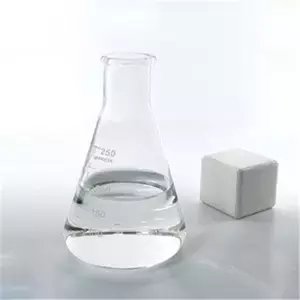
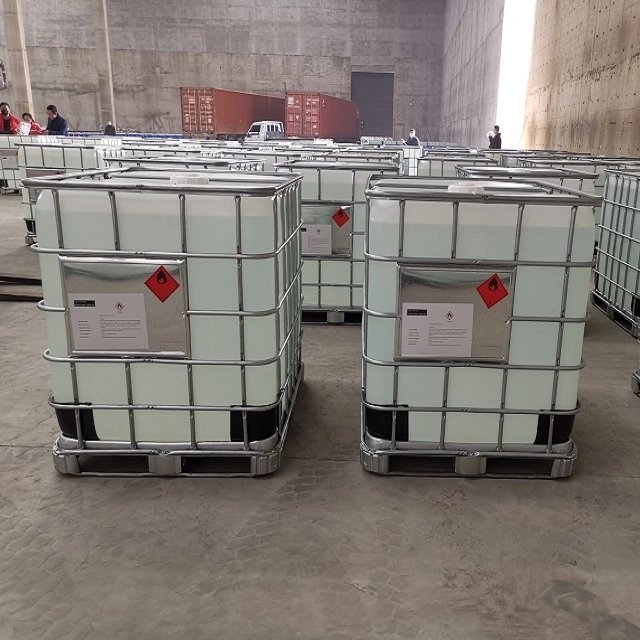
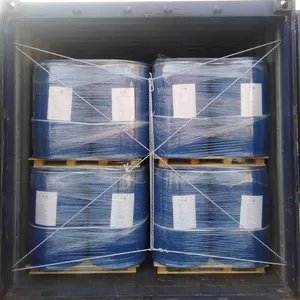
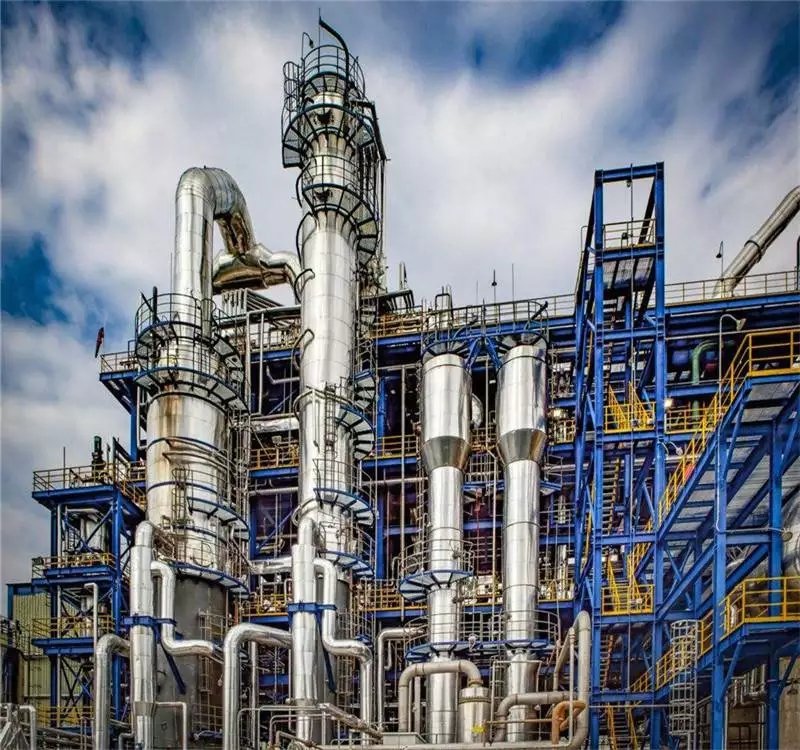
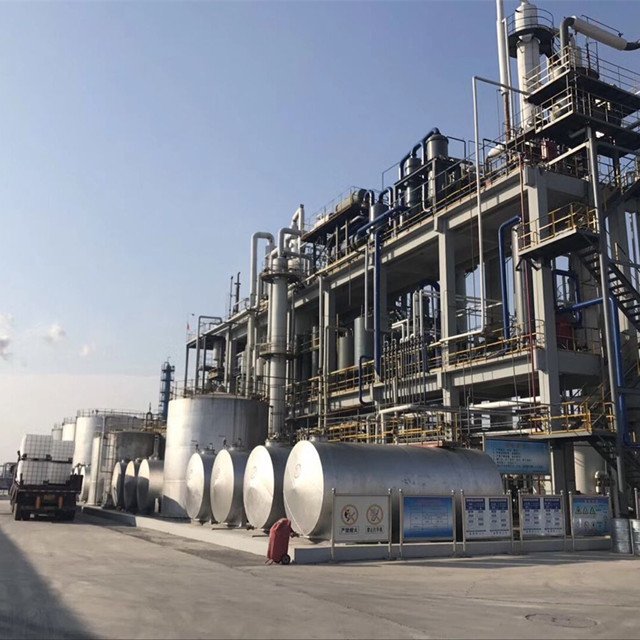
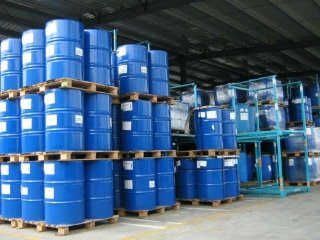
Photos of Dichloroacetica Acid CAS 79-43-6:


The usage of Dichloroacetica Acid CAS 79-43-6:
Used as an intermediate in organic synthesis, for the production of methyl dichloroacetate, and as a dye intermediate
Storage conditions of Dichloroacetica Acid CAS 79-43-6:
Ventilation and low-temperature drying in the warehouse; Store separately from oxidants and alkalis.


Main product


| ACF Chemical Co., Ltd. Athena phone/whatsapp:008613805212761 email:ceo@acfchemical.com No. 45 Pengwan Road, Qianwan Bonded Port Area, Qingdao Area, China (Shandong) welcome to vist our factory. |
|
| 2-Hydroxyl ethyl acrylate; HEA | 818-61-1 |
| Hydroxy propyl acrylate; HPA | 25584-83-2 |
| N-Hydroxymethyl Acrylamide | 924-42-5 |
| N-Coco Alkyltrimethylenedi | 61791-63-7 |
| Dichloroacetic Acid | 79-43-6 |
| Tert-butyl acrylate; TBA | 1663-39-4 |
| Lauryl acrylate; LA | 2156-97-0 |
| Tridecyl acrylate; TDA | 3076/4/8 |
| Stearyl acrylate; SA | 4813-57-4 |
| 2-Hydroxyl ethyl methacrylate; HEMA | 868-77-9 |
| Hydroxyl propyl methacrylate; HPMA | 27813-02-1 |
| Glycidyl methacrylate; GMA | 106-91-2 |
| Trifluoroethyl methacrylate; TFEMA | 352-87-4 |
| Acrylamide; AM (50% solution) | 1979/6/1 |
| Polyacrylamide; PAM | 9003/5/8 |
| Methacrylamide | 79-39-0 |
| Diacetone acrylamide; DAAM | 2873-97-4 |
| Benzyl Triethyl Ammonium Chloride | 56-93-9 |
| Ethylene-Vinyl Acetate-Vinyl Chloride (EVAVC) | 9003-22-9 |
| Benzyltriethylammonium bromide | 56-37-1 |
| Benzyltributylammonium bromide | 23616-79-7 |
| Tetrabutylammonium bromide | 37451-68-6 |
| Benzyltrimethylammonium bromide | 5350-41-4 |
| Benzyltributylammonium chloride | 5197-95-5 |
| Tetrabutylphosphonium bromide | 3115-68-2 |
| Methyltriphenylphosphonium bromide | 1779-49-3 |
| 4-dimethylaminopyridine | 1122-58-3 |
| Tetrabutylammonium iodide | 311-28-4 |
| Tetraethyl ammonium bromide | 71-91-0 |
| Triphenylphosphine | 603-35-0 |
| Potassium Persulfate | 7727-21-1 |
| Triphenylethyl phosphorus bromide | 1530-32-1 |
| 1, 2-Bis (diphenylphosphino) Ethane | 1663-45-2 |
| 1,3-Bis(diphenylphosphino)propane | 6737-42-4 |
| 1,5-Bis(diphenylphosphino)pentane | 2 7721-02-4 |
| 1,4-Bis(diphenylphosphino)butane | 7688-25-7 |
| 1,1-Bis(diphenylphosphino)ferrocene | 12150-46-8 |
| (R)-(+)-2,2′-Bis(diphenylphosphino)-1,1′-binaphthyl | 76189-55-4 |
| (S)-(-)-2,2′-Bis(diphenylphosphino)-1,1′-binaphthyl | 76189-56-5 |
| (R)-(+)-(1,1′-binaphthalene)-2,2′-diol | 18531-94-7 |
| (S)-(-)-1,1′-bi-2-naphthol | 18531-99-2 |
| 1,1′-Bi-2-naphthol | 602-09-5 |
| [1,3-Bis(diphenylphosphino)propane]nickel(II) chloride | 15629-92-2 |
| 1,3:2,4-Bis(3,4-dimethylobenzylideno) sorbitol | 135861-56-2 |
| 1,2-Bis(diphenylphosphino)ethane nickel(II) chloride | 14647-23-5 |
| 1,3:2,4-Di-p-methylbenzylidene sorbitol | 54686-97-4 |
| Sodium 2,2′-methylene-bis-(4,6-di-tert-butylphenyl)phosphate | 85209-91-2 |
| Aluminium hydroxybis[2,2′-methylen-bis(4,6-di-tert-butylphenyl)phosphate] | 151841-65-5 |
| Bis(4-(tert-butyl)benzoato-O)hydroxy Aluminium | 13170-05-3 |
| Minodronic Acid | 155648-60-5 |


