
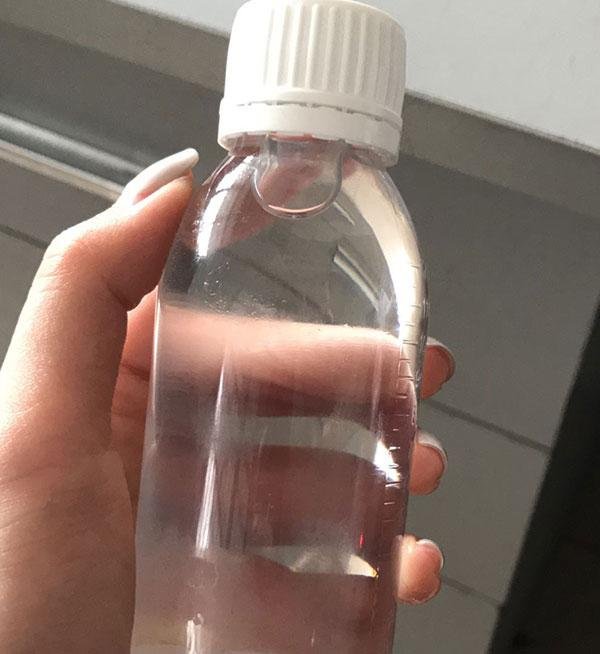
Composition / information on ingredients
product description
Propylene glycol methyl ether acetate (PMA)
Propylene glycol methyl ether acetate (PMA) is an organic compound that belongs to the carboxylic acid esters and is mainly used as a solvent. The substance can be obtained in large-scale processes through the esterification of acetic acid and 1-methoxy-2-propanol and is one of the “High Production Volume Chemicals” due to the quantity produced worldwide.
For the chemical industry, the compound is an important starting material for the synthesis of organic compounds. It is also used as an emulsifier, thickener and plasticizer. Propylene glycol methyl ether acetate is an important film-forming agent and solvent for paints, varnishes, printing inks, adhesives and coatings. In the clothing industry, dyes based on the fabric are used for dyeing, printing and finishing leather and textiles. The compound is also found in many wood stains, furniture polishes, cosmetics and cleaning products.
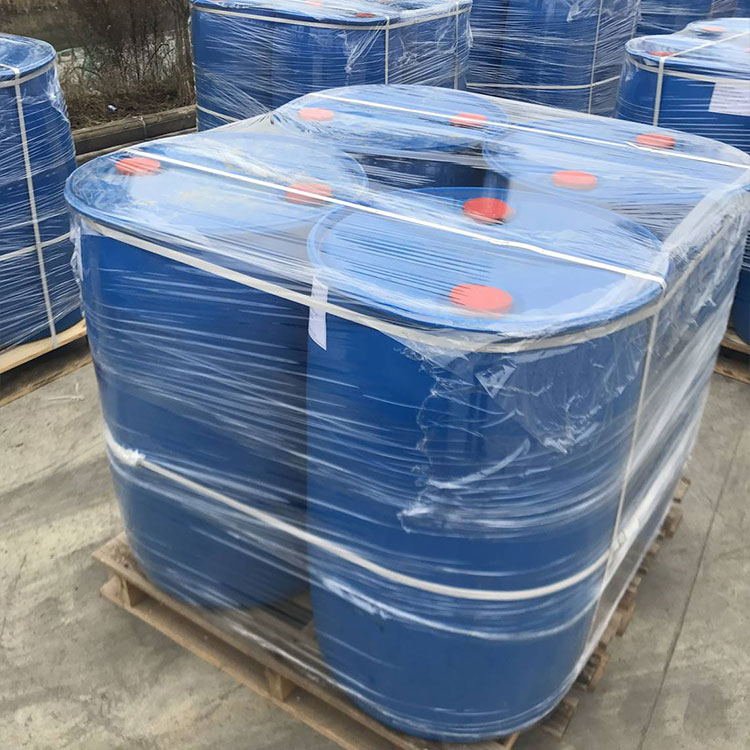
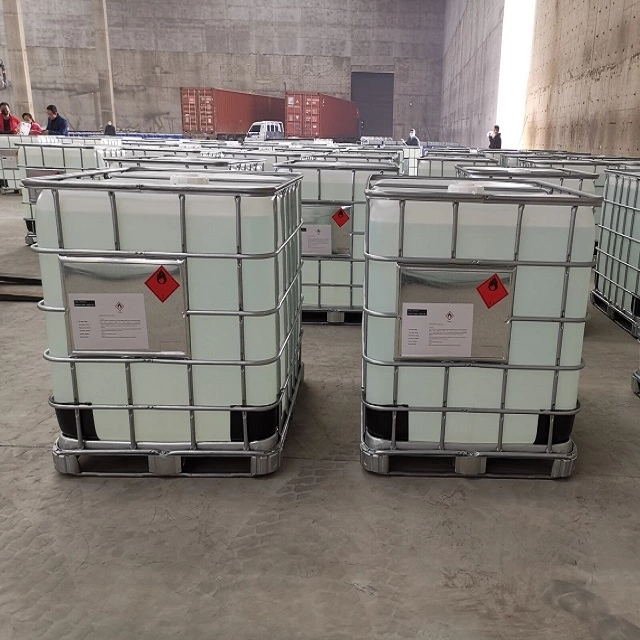
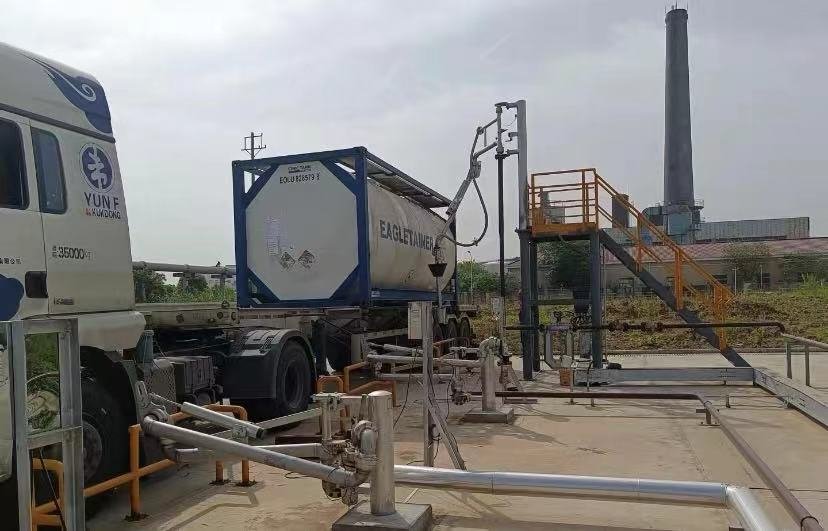
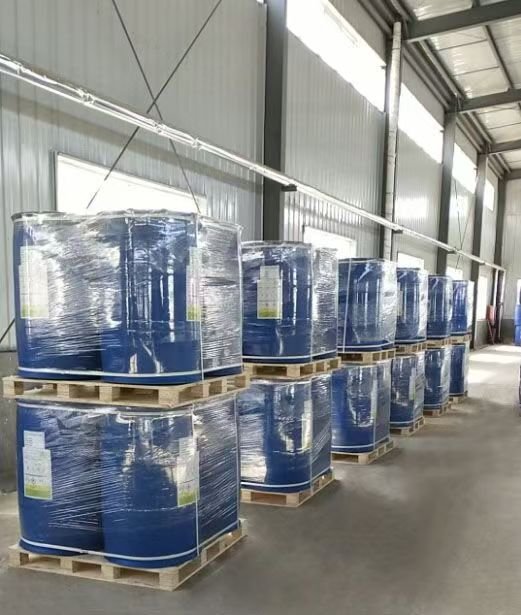
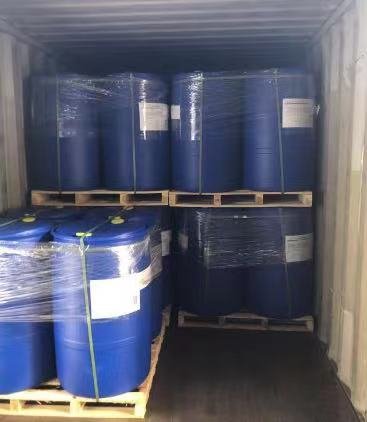
At PENPET you can easily order the required amount of propylene glycol methyl ether acetate (PMA). We look forward to receiving your inquiry for an individual offer. The liquid can be delivered loose in ISO tank containers, in IBCs or in barrels.
CAS no. 108-65-6
EINECS no. 203-603-9
Molecular formula: C6H12O3
Synonyms: Propylene glycol monomethyl ether acetate, 1,2-propanediol monomethyl ether acetate, propylene glycol 1-methyl ether-2-acetate, 1-methoxy-2-propyl acetate, 2-methoxy-1-methylethyl acetate, 1-methoxypropan-2-ol acetate, (1-methoxyisopropyl)acetate , Acetic acid 1-methoxy-2-propyl ester, Acetic acid methoxypropyl ester, Methoxyisopropyl acetate, MPA, PGMEA, PMA
Areas of application: Intermediate in the manufacture of organic compounds, used as a solvent in adhesives, printing inks, varnishes, paints, coatings, furniture polishes, cleaning products, cosmetic products and wood stains

Structural formula of Propylene glycol methyl ether acetate (PMA)
SPECIFICATION
______________________________________________________________
Product: Propyleneglycolmethyletheracetate (PMA)
stabilized with 50 ppm BHT
packed in 200kg inner-coated drums on pallets
Product Code: 16140
CHARACTERISTICS UNITS MIN./MAX. VALUES
Purity % min. 99.5
Water % max. 0.05
Colour APHA max. 10
Destillation range °C 143 – 149
Density at 20°C g/cm³ 0.9650 – 0.9750
Acid content ppm max. 200
2-Methoxypropylacetate % max. 0.1
SPECIFICATION
______________________________________________________________
Product: Propyleneglycolmethyletheracetate (PMA) min. 99.5%
loose in Iso-Container/tanktruck
stabilized with 50 ppm BHT
Product Code: 16141
CHARACTERISTICS UNITS MIN./MAX. VALUES
Purity % min. 99.5
Water % max. 0.05
Colour Pt/Co max. 10
Destillation range °C 143 – 149
Density at 20°C g/cm³ 0.9630 – 0.9750
Acid content % max. 0,01
2-Methoxypropylacetate % max. 0.1
SPECIFICATION
______________________________________________________________
Product: Propyleneglycolmethyletheracetate (PMA) min. 99.5%
packed in 950kg IBCs
Product Code: 16142
CHARACTERISTICS UNITS MIN./MAX. VALUES
Purity % min. 99.5
Water % max. 0.05
Refractive Index nD20
Destillation range °C 143 – 149
Density at 20°C g/cm³ 0.9650 – 0.9750
Acid content ppm max. 200
2-Methoxypropylacetate % max. 0.1
SPECIFICATION
______________________________________________________________
Product: Propyleneglycolmethyletheracetate
(PMA) min. 99.0%
loose in Iso-Container/tanktruck
stabilized with 50 ppm BHT
Product Code: 16143
CHARACTERISTICS UNITS MIN./MAX. VALUES
Purity % min. 99,0
Water % max. 0,1
Colour Pt/Co max. 10
Distillation, IBP °C min. 140
Destillation, DP °C max. 150
Acid content % max. 0,03
2-Methoxypropylacetate ppm max 2000
Propylene glycol methyl ether acetate (PMA) is both an ether and an ester and is made up of three components that were linked together during its manufacture. At the center of the molecule of the substance is a propylene glycol residue which, after the dissolution of its two functional hydroxyl groups, is connected on the one hand to a methyl residue by an ether group and, on the other hand, to an acetic acid residue by an ester group. These functional groups repel each other, giving the compound both polar and non-polar properties as a solvent.
There are two different structural variants of propylene glycol methyl ether acetate, which differ in the spatial arrangement of their components and, as mirror-symmetrical isomers, cannot be converted into one another by rotation. We supply a racemate composed of equal proportions of these two isomers (S)-propylene glycol methyl ether acetate and (R)-propylene glycol methyl ether acetate.
Physical and chemical properties
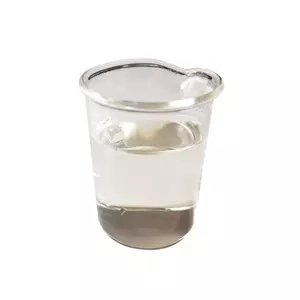
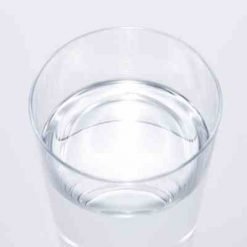
Propylene glycol methyl ether acetate (PMA) is a low volatility liquid that has a characteristic ester-like odor. The colorless compound has hygroscopic properties and is easily soluble in water. The substance is acidic in aqueous solution. Propylene glycol methyl ether acetate is also readily soluble in many organic solvents. Propylene glycol methyl ether acetate is very temperature stable, only freezes at -67 °C and boils at temperatures above 145 °C.
Stability and reactivity
Propylene glycol methyl ether acetate (PMA) is chemically stable when stored as directed. The compound forms peroxides when it comes into contact with the ambient air, and in particular when exposed to light. There is a risk of explosion. To prevent this process, the fabric can be treated with an inhibitor such as butylated hydroxytoluene. Violent reactions and strong heat development occur with strong alkalis and acids. In contact with oxidizing agents, the compound reacts with the release of irritating and noxious gases. When storing and processing the substance, it should be noted that propylene glycol methyl ether acetate attacks containers and plastic parts made of natural rubber, nitrile rubber, neoprene rubber and butyl rubber.
The compound is combustible and highly flammable. In addition, their vapors can form highly flammable and explosive air-vapor mixtures with the ambient air. Being heavier than air, vapors can travel unnoticed along the ground and can even be ignited by distant ignition sources. Propylene glycol methyl ether acetate should therefore be kept far away from open flames, grinding and welding sparks, electrostatic discharges and hot surfaces. When handling the compound, make sure that all containers are airtight. The substance decomposes into hazardous gases on heating and burning. This produces carbon dioxide and carbon monoxide, among other things.
Toxicology information
Propylene glycol methyl ether acetate (PMA) vapors and aerosols may be irritating to the skin, eyes and respiratory tract. Direct contact with the liquid can cause temporary conjunctivitis and clouding of the cornea. In this case, the eye should be thoroughly rinsed with water and promptly examined by a doctor. Ingestion of the compound can cause irritation of the mucous membranes and gastrointestinal problems. After extensively rinsing the mouth, water should be drunk to dilute the substance and then a medical examination should be arranged. The absorption of the compound into the metabolism can cause disorders of the central nervous system, breathing difficulties and loss of appetite.
Propylene glycol methyl ether acetate has been assessed by the responsible authorities as slightly hazardous to water and can damage aquatic organisms. The compound must not get into the ground, water or waste water. A release of significant amounts into the environment must be reported. As a hazardous substance, propylene glycol methyl ether acetate is also subject to transport regulations.
| ACF Chemical Co., Ltd. Athena phone/whatsapp:008613805212761 email:ceo@acfchemical.com No. 45 Pengwan Road, Qianwan Bonded Port Area, Qingdao Area, China (Shandong) welcome to vist our factory. |
|
| 3-Glycidoxypropyltrimethoxysilane | 2530-83-8 |
| *MTHP – Methyl Tetra Hydro Pyran | 4717-96-8 |
| 2-(2-Methoxyethoxy)ethanol | 111-77-3 |
| HYDROQUINONE MONOMETHYL ETHER | 150-76-5 |
| MONO ISOPROPYLAMINE | 75-31-0 |
| Isopropyl Acetate (IPAC) | 108-21-4 |
| Antioxidant 24 | 26741-53-7 |
| Succinic Anhydride | 108-30-5 |
| TETREDM Tetraethylene Glycol Dimethyl Ether |
143-24-8 |
| PROPYLENE GLYCOL MONOMETHYL ETHER ACETATE (PMA) | 108-65-6 |
| PROPYLENE GLYCOL MONOMETHYL ETHER (PM) | 107-98-2 |
| BUTYL GLYCOL ACETATE (BGA) | 112-07-2 |
| DIPROPYLENE GLYCOL DIMETHYL ETHER (DPDM) | 111109-77-4 |
| ETHYLENE GLYCOL DIMETHYL ETHER (EDM) | 110-71-4 |
| DIPROPYLENE GLYCOL MONOMETHYL ETHER ACETATE (DPMA) | 88917-22-0 |
| DIETHYLENE GLYCOL DIETHYL ETHER (DEDE) | 112-36-7 |
| DIETHYLENE GLYCOL METHYL ETHYL ETHER (DEME) | 1002-67-1 |
| DI-ETHYLENE GLYCOL | 111-46-6 |
| POLY(VINYL CHLORIDE-CO-VINYL ACETATE) | 9003‑22‑9 |


