
Composition / information on ingredients
product description
Methyltetrahydrophthalic anhydride (MTHPA) is an organic compound from the group of carboxylic acid anhydrides. The substance is an important hardener for epoxy resins and is used, among other things, in the production of coatings, adhesives and plastic components in the automotive and electronics industries. In addition, methyltetrahydrophthalic anhydride is used as a chemical intermediate in the production of methylhexahydrophthalic anhydride and other organic compounds. In large-scale processes, the substance is obtained from the reaction of isoprene with maleic anhydride.
Methyl Tetrahydrophthalic Anhydride (MTHPA)
Name: Methyltetrahydrophthalic anhydride, MTHPA
Other Names: MTHPA
Formula: C9H10O3
CAS No: 11070-44-3 or 26590-20-5
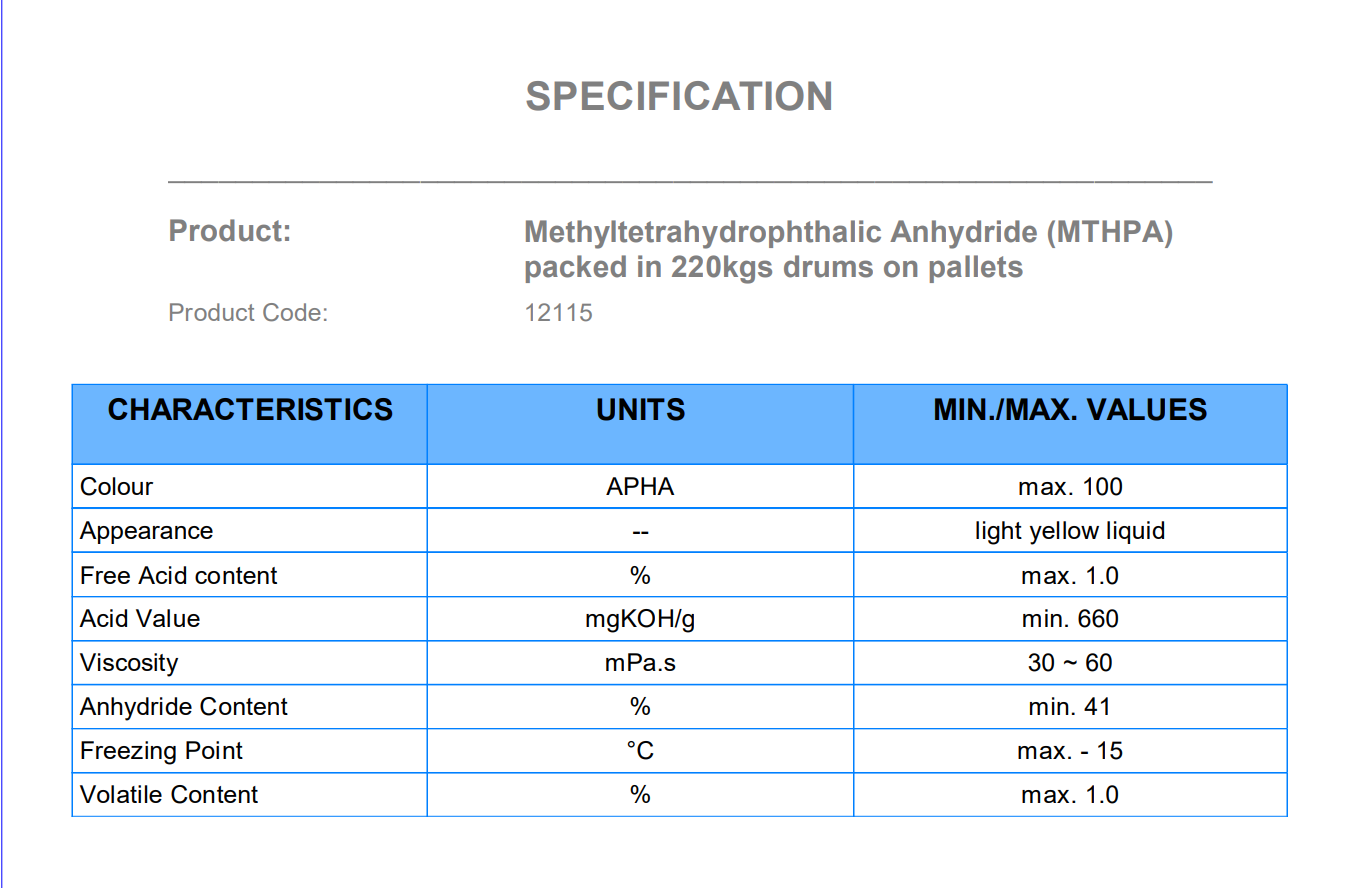
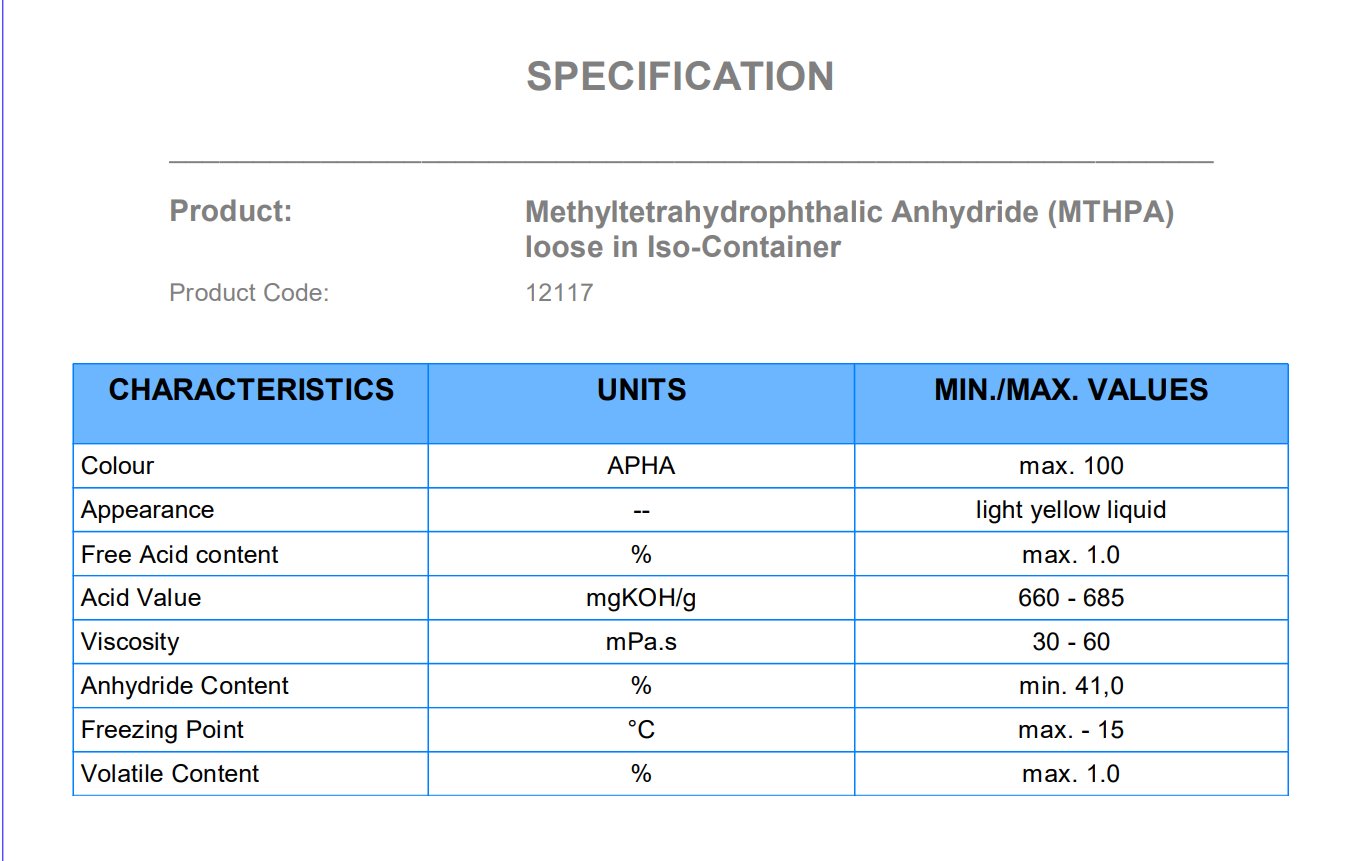
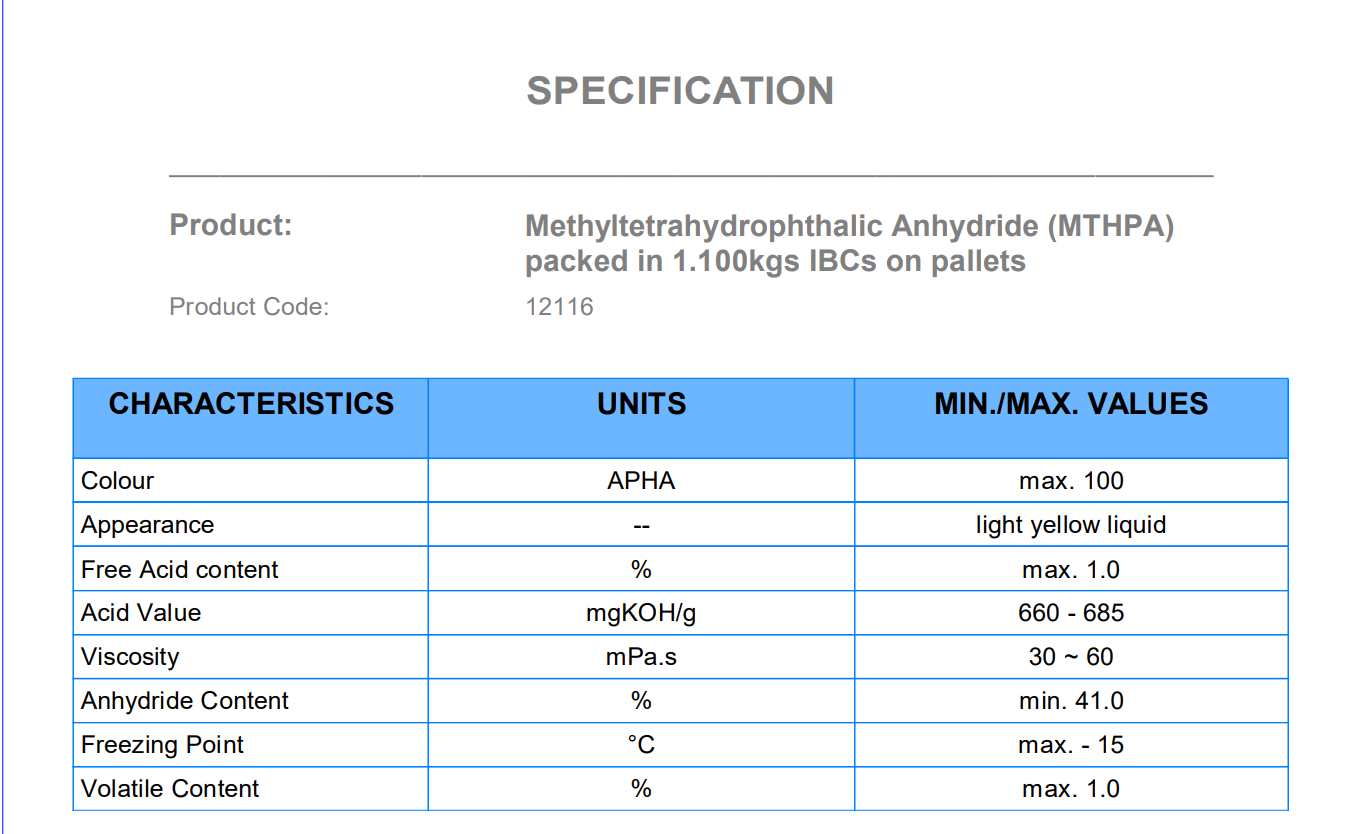
Quality indicators:

Performance Characteristics :
1.Light color: pre-addition 0.5-3% tertiary amine accelerator (BDM A, DMP-30) basically unchanged.
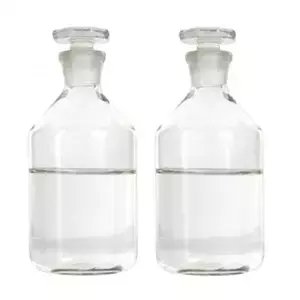
lt is a light yellow transparent liquid, which can be used to cast light or natural solids.
2. Low viscosity: the process of casting, sealing and impregnation is good.
A large number of fillers can be added when casting to make the curing material perform well. When used for impregnation, it is easy to adjust it into suitable impregnation conditions. Laminaring is conducive to the affinity of the basics.
3. Stable performance, low freezing point, long application period, can be stored for aong time at room temperature, which is convenient for pipeline transportation. lt is conduciveto production automation and adapts to cold areas.
4. Low volatility, small heating loss, low toxicity, and only amine curingagents1/20-1/40.less irritating to human eyes and skin.
5. Good mutual solubility. This product is mutually soluble with all epoxy resins, and themixing viscosity is low. At the same time, the contraction and exothermic effect of the system are relatively low when heated and curing.
6.Small heating loss, small volume shrinkage of curing, high thermal deformation temperature, excellent mechanical and electrical properties, and small dielectric loss analetangent(110°C).
Main uses:
It is used as epoxy resin curing agent, widely used in electronic components, LED diaital tubefilling glue, FRP composite wind power blades, automotive parts, dry transformers, high-voltage switches, high-voltage capacitors, transformers, household appliance capacitors, power capacitors impregnation, pouring and winding of integrated circuits.
Packaging storage:
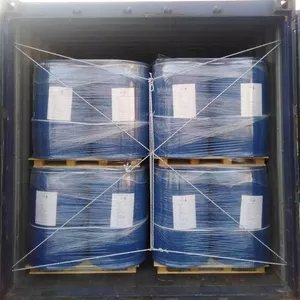
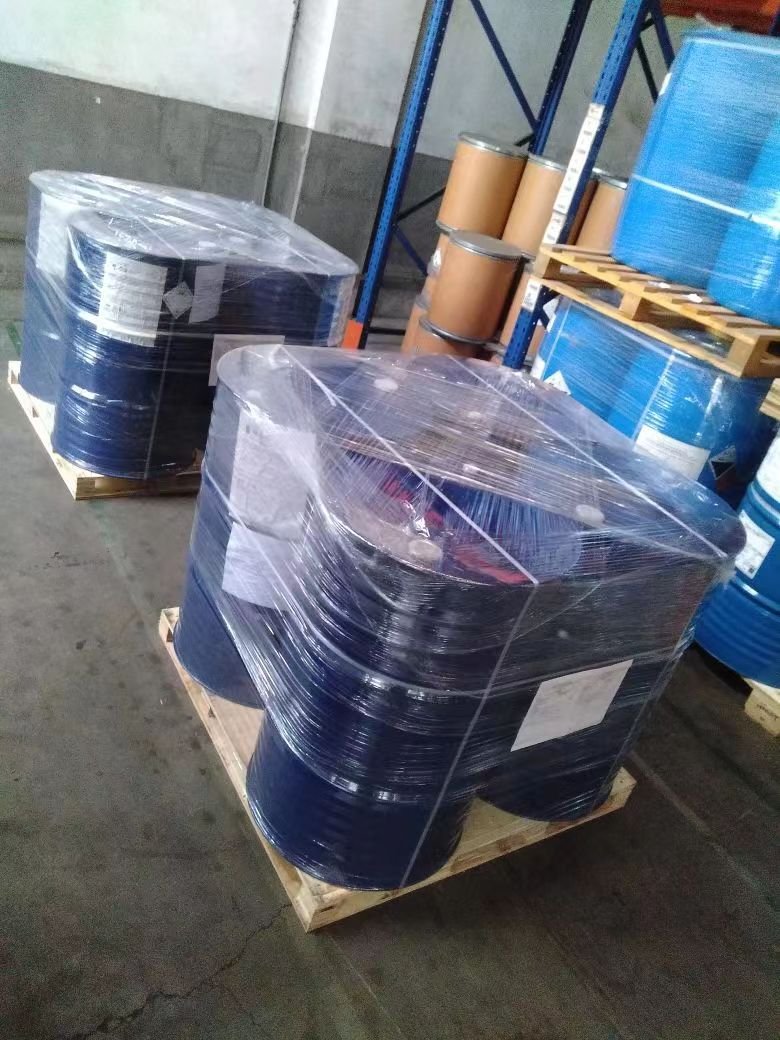
20 kilograms, 25 kg, 220 kg and 240 kg lBC barrel packaging. The performance of this product is stable. During storage and transportation, attention should be closed moistureproof fireproof and waterproof. lt is stored in a dry and ventilated warehouse and stored at room temperature for one year.
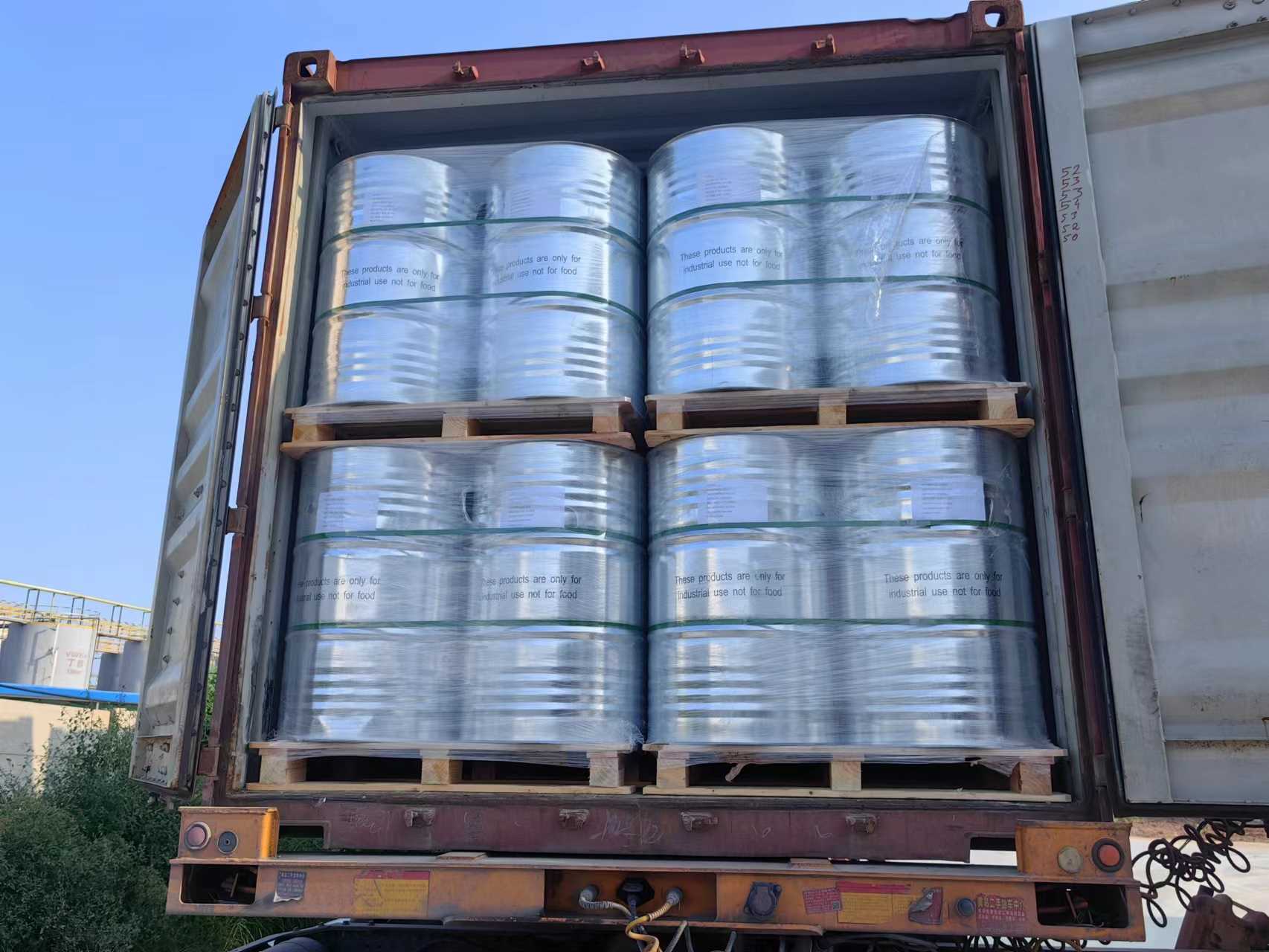
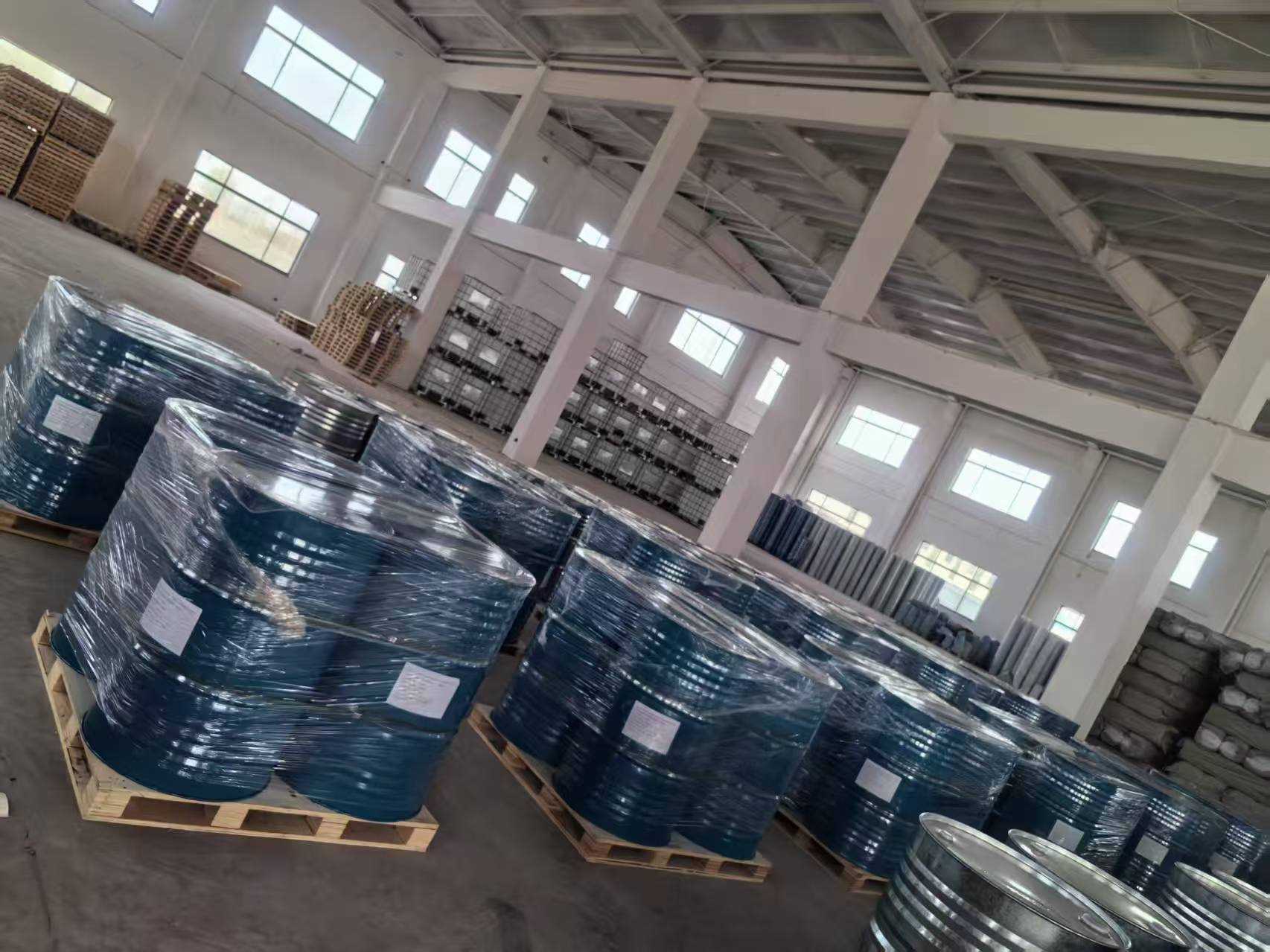
At ACF you get methyltetrahydrophthalic anhydride (MTHPA) of the highest quality – from a reliable partner who will also meet your requirements in the long term. We look forward to receiving your inquiry for an individual offer. Prompt delivery of the liquid compound can be made in packages with different weights.
CAS no. 11070-44-3
EINECS no. 247-830-1
Molecular formula: C9H10O3
Synonyms: 1,2,3,6-Tetrahydromethylphthalic Anhydride, MTHPSA, MTHPA, 3a-Methyl-3a,4,7,7a-tetrahydroisobenzofuran-1,3-dione, 7a-Methyl-4,7-dihydro-3aH-2-benzofuran-1,3-dione
Areas of application: Hardener for epoxy resins, intermediate for syntheses in organic chemistry

Structural formula of Methyltetrahydrophthalic anhydride (MTHPA)
Methyltetrahydrophthalic anhydride (MTHPA) is a doubly cyclic compound. Molecules of the substance consist of an incompletely hydrogenated phenyl ring, which has a monounsaturated character, and a second cyclic component, which is formed by the dehydrated combination of two carboxyl groups attached to the phenyl radical. In addition, methyltetrahydrophthalic anhydride has a methyl group. This can be attached to different carbon atoms of the substance, so that there are several isomers of the compound.
Physical and chemical properties
Under normal conditions, methyltetrahydrophthalic anhydride (MTHPA) is a viscous, oily liquid with a slightly yellowish tinge. The compound reaches its boiling point when heated to 120 °C.
Methyltetrahydrophthalic anhydride is soluble in water with hydrolysis. The compound is also readily soluble in many organic solvents such as chloroform, benzene, ethanol, toluene, acetone, carbon tetrachloride and ethyl acetate.
Stability and reactivity
When stored as intended, methyltetrahydrophthalic anhydride (MTHPSA) is a chemically very stable compound. However, the substance is moisture sensitive and hydrolyzes in water. Explosive peroxides can form in air. Contact with strong oxidizing agents also threatens dangerous reactions with a violent course.
Methyltetrahydrophthalic anhydride is flammable but difficult to ignite. Combustion of the compound produces toxic gases such as carbon monoxide and carbon dioxide.
Toxicology information
Methyltetrahydrophthalic anhydride (MTHPA) is an irritant hazardous substance that poses acute and chronic health hazards. On the skin, the compound can cause redness, painful irritation, allergic reactions and permanent sensitization. Wetted parts of the body should be rinsed thoroughly with water and examined by a doctor if the symptoms persist. The substance can cause chemical burns and severe damage to the cornea. After thorough rinsing of the affected eye under running water, immediate ophthalmological treatment must be arranged.
Inhaling the vapors and aerosols of the substance is irritating to the respiratory tract and can cause coughing, breathing difficulties, asthma-like symptoms and allergic reactions. After absorption of the compound into the metabolism, central nervous system disorders such as drowsiness and sleepiness may occur. If poisoning is suspected, medical help must be sought immediately.
Methyltetrahydrophthalic anhydride is toxic to aquatic organisms and must not be released into the environment. The local environmental authorities must be informed if large quantities of the compound leak into waterways, soil or sewage.
ACF Chemical Co., Ltd.
Athena phone/whatsapp:008613805212761
email:ceo@acfchemical.com
No. 45 Pengwan Road, Qianwan Bonded Port Area, Qingdao Area, China (Shandong)
| ACF Chemical Co., Ltd. Athena phone/whatsapp:008613805212761 email:ceo@acfchemical.com No. 45 Pengwan Road, Qianwan Bonded Port Area, Qingdao Area, China (Shandong)welcome to vist our factory. sample is free ACF Chemical Qingdao Co., Ltd. was established in 1987. the company has over decades of experience in the production of methacrylate and acrylate series products, as well as high-efficiency polymerization inhibitors and rubber and plastic antioxidant series products. The company’s leading products are high-efficiency polymerization inhibitor series products, with an annual production capacity of 1,000 tons of tert-butylhydroquinone (TBC), 800 tons of polymerization inhibitor TH-701, 500 tons of polymerization inhibitor TH-A294, 500 tons of polymerization inhibitor TH-100BE, 500 tons of phenothiazine, and 200 tons of hydroquinone. |
|
| Product | CAS: |
| Poly(VinylEthylEther | 25104-37-4 |
| Dodecyl methacrylate,LMA | 142-90-5、142-84-7 |
| DAIP DIALLYL ISOPHTHALATE | 1087-21-4 |
| 2-Ethylhexyl nitrate | 27247-96-7 |
| Isopropylphenyl phosphate | 68937-41-7 |
| 2-1sopropylimidazole | 36947-68-9 |
| HydrogenatedTallowAmine | 61788-45-2 |
| Vinyl 2-Ethylhexanoate | 94-04-2 |
| Tolylene-2,4-diisocyanate UNATE T-100 | 584-84-9 |
| Octyl-3,5-di-tert-butyl-4-hydroxy-hydrocinnamate | 125643-61-0 |
| Antioxidant 1010 | 6683-19-8 |
| Antioxidant 1076 | 2082-79-3 |
| AT-168 | 31570-04-4 |
| Nitrilotrimethylenetris(phosphonic acid)ATMP | 6419-19-8 |
| DTPMPA [[(phosphonomethyl)imino]bis[ethane-2,1- diylnitrilobis(methylene)]]tetrakisphosphonic acid |
15827-60-8 |
| PBTC 2-phosphonobutane-1,2,4-tricarboxylic acid |
37971-36-1 |
| Hydrolyzed Polymaleic Anhydride(HPMA) | 26099-09-2 |
| Methyltetrahydrophthalic andhydride(MTHPA) | 11070-44-3 |
| Methylhexahydrophthalic andhydride(MHHPA) | 25550-51-0 |
| 4-MHHPA Hexahydro-4-methylphthalic anhydride | 19438-60-9 |
| Methyl Nadic Anhydride(MNA) | 25134-21-8 |
| 3,4,5,6-THPA 3,4,5,6-Tetrahydrophthalic anhydride | 2426-02-0 |
| TETREDM Tetraethylene Glycol Dimethyl Ether |
143-24-8 |
| Toluenesulfonamide(0/PTSA) | 1333-07-9 |
| Diphenyl sulfone(DPS) | 127-63-9 |
| PROPYLENE GLYCOL MONOMETHYL ETHER ACETATE(PMA) | 108-65-6 |
| PROPYLENE GLYCOL MONOMETHYL ETHER (PM) | 107-98-2 |
| BUTYL GLYCOL ACETATE(BGA) | 112-07-2 |
| DIPROPYLENE GLYCOL DIMETHYL ETHER(DPDM) | 111109-77-4 |
| ETHYLENE GLYCOL DIMETHYL ETHER (EDM) | 110-71-4 |
| DIPROPYLENE GLYCOL MONOMETHYL ETHER ACETATE (DPMA) | 88917-22-0 |
| DIETHYLENE GLYCOL DIETHYL ETHER (DEDE) | 112-36-7 |
| DIETHYLENE GLYCOL METHYL ETHYL ETHER (DEME) | 1002-67-1 |


