
DIPALMITAMINE CAS Number: 16724-61-1
| Product | DIPALMITAMINE |
| CAS | 16724-61-1 |
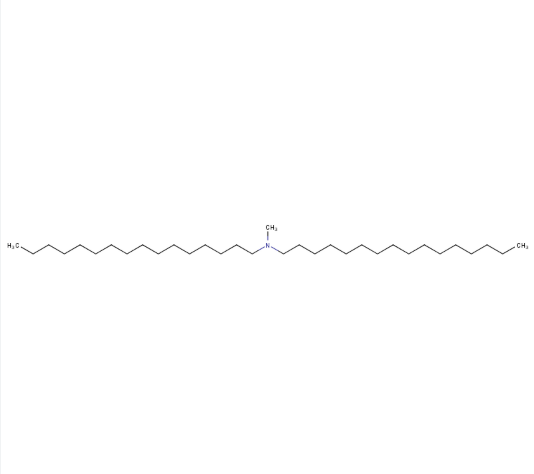
| Formula | C33H69N |
| Synonym | 1-Hexadecanamine,N-hexadecyl-N-methyl-;Di(hexadecyl)methylamine;Dicetylmethylamine;N-hexadecyl-N-methylhexadecan-1-amine;ChemicalbookDihexadectylmethylamine;N-Hexadecyl-N-methyl-1-hexadecanamine;Dihexadecylmethylamineinmethanol;Bis(hexadecyldimethyl)amine |
product description
Basic Info.
Product Description
Appearance: Light yellow liquid
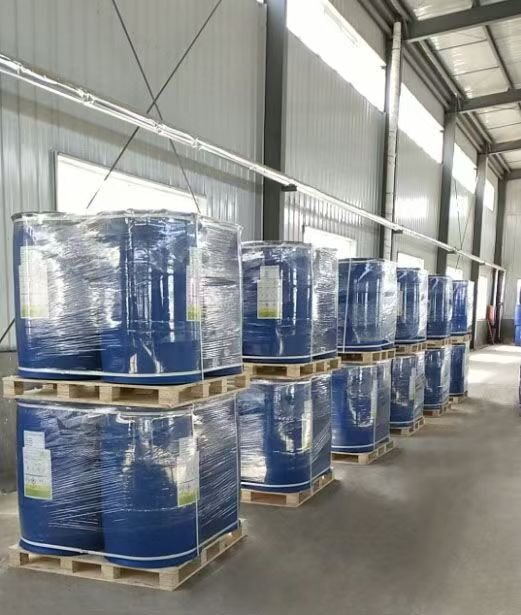
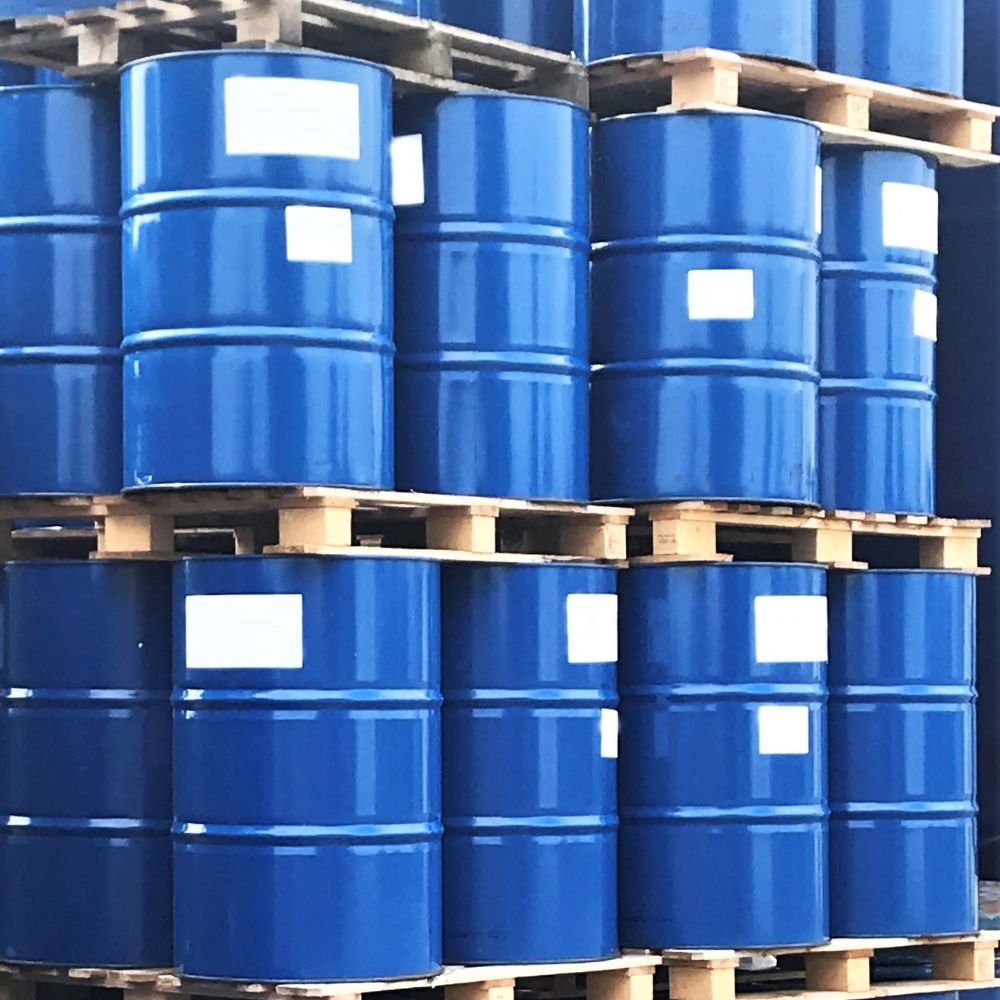
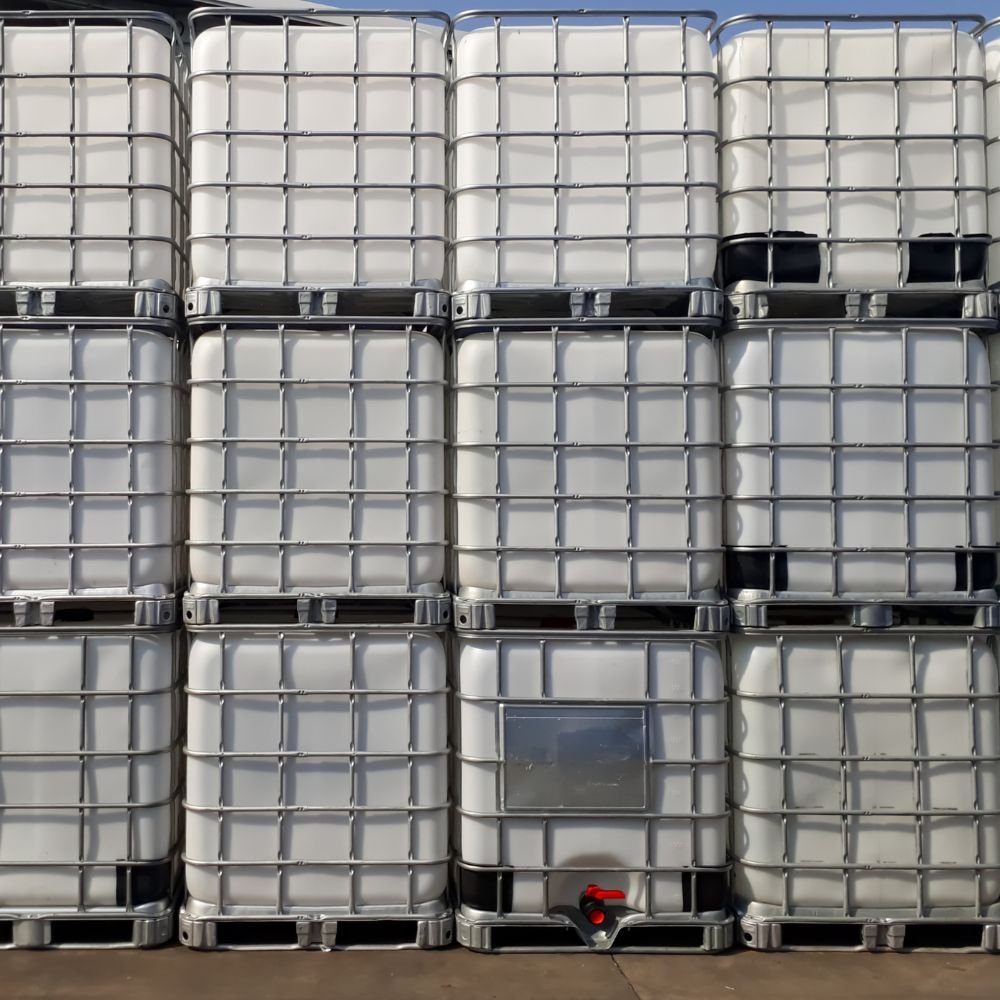
Packing: 25kg/drum or as discussed
Shelf Life: 2 years
Storage: Store in cool and dry area
Certification:ISO GMP KOSHER HALAL
Product Detail
Name: DIPALMITAMINE
CAS: 16724-61-1
Feature:
DIPALMITAMINE is a chemical substance. Its structure has both polar groups and non-polar groups. DIPALMITAMINE is a tertiary amine having a trivalent group attached to three hydrocarbon groups in the molecule. DIPALMITAMINE has a wide range of uses. It can be used as a component of formulated products and as an intermediate product of various special chemical derivatives. It is an important raw material for the production of quaternary ammonium salts. DIPALMITAMINE is also a raw material for organic synthesis of substances with the molecular formula C2F3NaO2. DIPALMITAMINE is insoluble in water, and its density is lower than that of water. So it floats on the water. Contact with it may irritate skin, eyes and mucous membranes. It may be toxic if ingested, inhaled or absorbed through the skin. DIPALMITAMINE is used in the manufacture of other chemicals.
DIPALMITAMINE has the following applications/functions:
- DIPALMITAMINE can be used as intermediate. It is mainly used for pharmaceutical and pesticide intermediates and organic synthesis raw materials.
- DIPALMITAMINE can react with methane chloride and other quaternary ammonium salts to produce double chain quaternary ammonium salt D1621, which can be used as bactericide, softener, emulsifier and surfactant in pigment, dye, mineral flotation, water treatment, oil field, textile, daily chemical, bentonite and other industries.
- DIPALMITAMINE is the main raw material for the production of cationic quaternary ammonium salt. It can produce double-chain benzyl quaternary ammonium salt D1617 by benzyl chloride reaction, which is widely used in bentonite, disinfectant and bactericide industries.
DIPALMITAMINE Properties
| Melting point | 36-37 °C |
|---|---|
| Boiling point | 269-271 °C(Press: 1 Torr) |
| Density | 0.826±0.06 g/cm3(Predicted) |
| pka | 9.81±0.50(Predicted) |
| FDA UNII | NI19TV232A |
| EPA Substance Registry System | 1-Hexadecanamine, N-hexadecyl-N-methyl- (16724-61-1) |
FAQ
Q1: About the after-sale service of products
A: After purchasing the products from our factory, we have A professional technical team and after-sales team to serve you and solve all your problems in the future.
Q2: Can I get some samples?
A: Yes, we can provide samples, but the customer will pay the freight.
Q3: How do I start paying?
Payment can be made by wire transfer or T/T, apple_pay, google_pay, gc_real_time_bank_transfer , etc.
Q4: How to confirm product quality before placing an order?
A: You can get free samples of some products. You just have to pay the shipping fee or arrange for the sample to be sent to us by express.
You can send us your product specifications and requirements and we will produce products according to your requirements.
Q5: What is your MOQ?
A: The minimum quantity we can order is 1kg.
But usually we can accept a smaller quantity, say 100g, at the cost of 100% sample charge.
Q6: Shipping Time?
A: We ship the parcel out in 1-2 days and offer tracking No.. Shipping time is different to different country. Please consult
| ACF Chemical Co., Ltd.
Leon phone/whatsapp:008615950692266 email:md@acfchemical.com No. 45 Pengwan Road, Qianwan Bonded Port Area, Qingdao Area, China (Shandong) |
|
| DMEA | 108-01-0 |
| Dodecyl trimethyl ammonium chloride | 112-00-5 |
| N-Hexadecyltrimethylammonium chloride | 112-02-7 |
| 1831 | 112-03-8 |
| 1631Br | 57-09-0 |
| D821 | 5538-94-3 |
| D8/1021 | 68424-95-3 |
| D1021 | 7173-51-5 |
| D1821 | 61789-80-8 |
| TEP88 | 157905-74-3 |
| 1227 C12 | 139-07-1 |
| DMPT(N,N-Dimethyl-p-toluidine) | 99-97-8 |
| NDPT(N,N-dihydroxyethyl-p-toluidine) | 3077-12-1. |
| DMA(N,N-dimethylaniline) | 121-69-7 |
| N,N-Diethylaniline | 91-66-7 |
| MT(M-Toluidine) | 108-44-1 |
| PT(P-Toluidine) | 106-49-0 |
| O-Toluidine OT | 95-53-4 |
| Dimethyl(octyl)amine | 7378-99-6/1120-24-7 |
| C16-18-alkyldimethyl Octadecyl/Hexadecyl dimethylamines | 68390-97-6 |
| Octadecyl/behenyl dimethylamines | 124046-42-0 |
| N,N-dimethyldocosylamine | 21542-96-1 |
| N-Methyldioctylamine | 4455-26-9 |
| Di(octyl/decyl) methylamines | 308062-61-5 |
| Didecyl methylamine | 7396-58-9 |
| N-methyldidodecylamine | 2915-90-4 |
| Dipalmitamine | 16724-61-1 |
| Trioctylamine | 1116-76-3 |
| Trioctylamine | 68814-95-9 |
| N-3-Laurylamidopropyl dimethylamine | 3179-80-4 |
| N-3-(Hydrogenated cocoamido)propyl dimethylamines | 288095-05-6 |
| N-3-Oleylamidopropyl dimethylamine | 109-28-4 |
| N-3-Erucylamidopropyl dimethylamine | 60270-33-9 |
| N-Oleyl 1,3-propanediamine | 7173-62-8 |
| Bis(aminopropyl)laurylamine | 2372-82-9 |
| N-tallow alkyltripropylenetetra | 68911-79-5 |
| 3-(isodecyloxy)propylamine | 30113-45-2 |
| N-[3-(isodecyloxy)propyl]propane-1,3-diamine | 72162-46-0 |
| 2-(Methylamino)ethanol | 109-83-1 |
| N-Methyldiethanolamine | 105-59-9 |
| 3-Methoxy propyl amine | 5332-73-0 |
| N,N-dimethylcyclohexylamine | 98-94-2 |
| 1,3,5-Tris[3-(dimethylamino)propyl]hexahydro-1,3,5-triazine | 15875-13-5 |
| N,N,N’-trimethylamino-N’-ethylethanolamine | 2212-32-0 |
| N,N-Dimethylethanolamine | 108-01-1 |
| Acetone | |
| Acrylic acid | |
| Adipic acid | |
| Alpha-Methylstyrene (AMS) | |
| Benzoic Acid | |
| Bisphenol A | |
| Butyl Acrylat (BA) | |
| Butyl acetate (Butac) | |
| Butyl diglycol (BDG) | |
| Butyl glycol | |
| Para-tertiary butyl benzoic acid (PTBBA) | |
| n-Butanol | |
| n-Butyl methacrylate (n-BUMA) | |
| para-tert. Butylphenol (PTBP) | |


