
best Price of N, N-Dimethylethylamine CAS: 598-56-1 with High Quality
product description
Details:
| Item | Result |
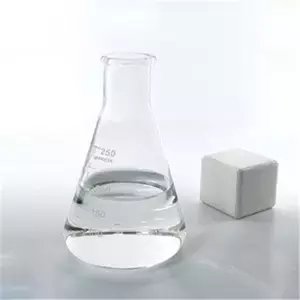
| Appearance | liquid |
| Molecular formula | C4H11N |
| Boiling point | 36-38 °C |
| Molecular weight | 73.14 |
Usage:
Packaging and Shipping:
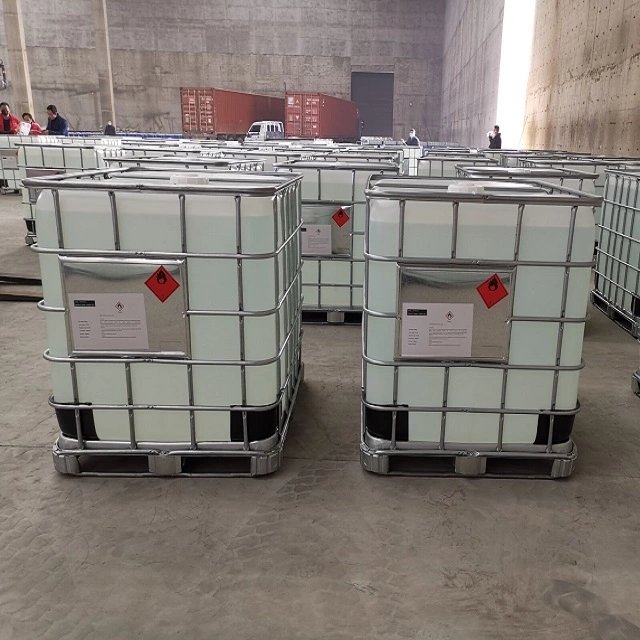
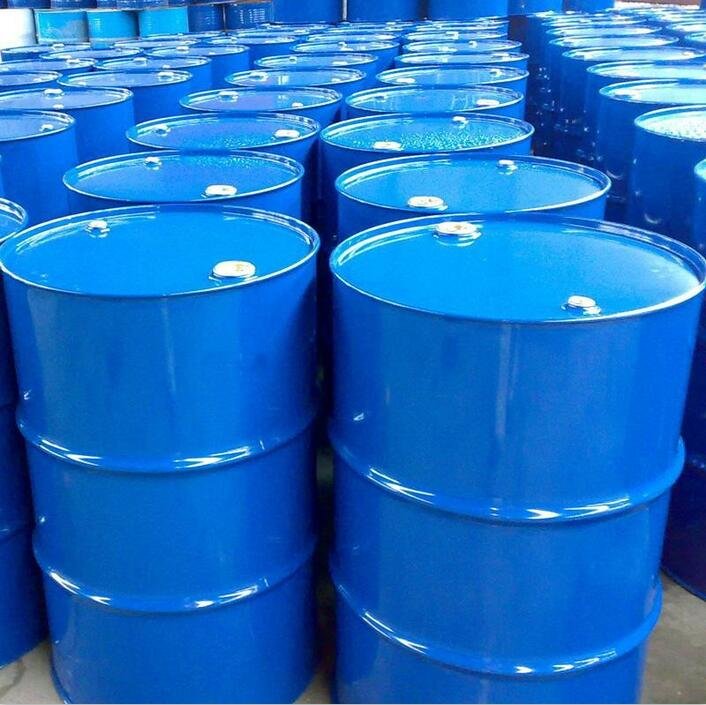
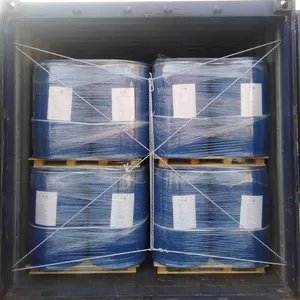
200L/drum
Storage:
Storage in ventilated low temperature dry warehouse; Keep container closed and separately from open flame and heat source

Methyl carbamate Basic introduction
1. Chemical Identity
- Common Name: Methyl carbamate
- IUPAC Name: Methyl carbamate
- CAS Number: 598-55-0
- It is the methyl ester of carbamic acid. It is structurally analogous to ethyl carbamate (urethane), but with a methyl group instead of an ethyl group.
2. Basic Properties
- Appearance: White crystalline solid at room temperature.
- Solubility: Soluble in water and common polar organic solvents like alcohols.
- Key Characteristic: Serves as the simplest member of the alkyl carbamate ester family, containing both amide and ester functional groups.
2. Methyl carbamate Primary Application Fields
Methyl carbamate is primarily an industrial chemical intermediate used in the synthesis of various high-value products. Unlike its more well-known analogue ethyl carbamate (urethane), it is not a significant natural contaminant and its uses are focused on active synthesis in several key industries.
1. Polymer and Chemical Synthesis
- Polymer Industry: Can be used as a monomer or chain modifier in the production of certain specialty polyurethanes and other resins. It helps impart specific properties like hardness or chemical resistance.
- Organic Synthesis: Serves as a protecting group for amines in multi-step synthetic routes. The carbamate group can be introduced to protect an amine from reacting under specific conditions and later removed (e.g., with acid hydrolysis).
2. Research and Development (R&D)
- Laboratory Chemical: Used in academic and industrial R&D as a standard reagent for synthesizing carbamate derivatives, studying reaction mechanisms, or developing new synthetic methodologies.


Methyl carbamate Basic introduction
1. Chemical Identity
- Common Name: Methyl carbamate
- IUPAC Name: Methyl carbamate
- CAS Number: 598-55-0
- It is the methyl ester of carbamic acid. It is structurally analogous to ethyl carbamate (urethane), but with a methyl group instead of an ethyl group.
2. Basic Properties
- Appearance: White crystalline solid at room temperature.
- Solubility: Soluble in water and common polar organic solvents like alcohols.
- Key Characteristic: Serves as the simplest member of the alkyl carbamate ester family, containing both amide and ester functional groups.
2. Methyl carbamate Primary Application Fields
Methyl carbamate is primarily an industrial chemical intermediate used in the synthesis of various high-value products. Unlike its more well-known analogue ethyl carbamate (urethane), it is not a significant natural contaminant and its uses are focused on active synthesis in several key industries.
1. Polymer and Chemical Synthesis
- Polymer Industry: Can be used as a monomer or chain modifier in the production of certain specialty polyurethanes and other resins. It helps impart specific properties like hardness or chemical resistance.
- Organic Synthesis: Serves as a protecting group for amines in multi-step synthetic routes. The carbamate group can be introduced to protect an amine from reacting under specific conditions and later removed (e.g., with acid hydrolysis).
2. Research and Development (R&D)
- Laboratory Chemical: Used in academic and industrial R&D as a standard reagent for synthesizing carbamate derivatives, studying reaction mechanisms, or developing new synthetic methodologies.


