


N-Hydroxymethyl Acrylamide 2820 CAS 924-42-5 for Nonwoven Binder and Textile Additives
product description


N-Methylol Acrylamide 48%,N-Methylol Acrylamide 2820:
|
N-Methylol Acrylamide 98%
|
||
|
Item
|
Index
|
|
|
First-Class Product
|
Qualified Product
|
|
|
Appearance
|
White Crystal Or Powder
|
White Crystal Or Powder
|
|
Content(W%)
|
≥99
|
≥98
|
|
Moisture (W%)
|
≤1
|
≤2
|
|
Free Formaldehyde(W%)
|
≤0.3
|
≤0.5
|
|
Melting Point(℃)
|
74-75
|
|
|
PH
|
7-8
|
|
|
N-Methylol Acrylamide 48%
|
|
|
ITEM
|
INDEX
|
|
Appearance
|
Pale yellow liquid
|
|
Content (%)
|
40-44
|
|
Free formaldehyde (%)
|
≤2.5
|
|
Acrylamide (%)
|
≤5
|
|
PH (PH meter)
|
7-8
|
|
Chroma (Pt/Co)
|
≤40
|
|
Inhibitor(MEHQ in PPM)
|
As per request
|
|
N-Methylol Acrylamide 2820
|
|
|
ITEM
|
INDEX
|
|
Appearance
|
Pale yellow liquid
|
|
Content (%)
|
26-31
|
|
Chroma (Pt/Co)
|
≤50
|
|
Free formaldehyde (%)
|
≤0.2
|
|
Acrylamide(%)
|
18-22
|
|
PH (PH meter)
|
6-7
|
|
Inhibitor(MEHQ in PPM)
|
As per request
|


Physical properties
N-methylol acrylamide is unstable in humid air or water and is easy to polymerize. When heated in the presence of acid in aqueous solution, it will quickly polymerize into an insoluble resin.
Chemical properties
The hydroxymethyl group of N-methylol acrylamide can undergo condensation reactions with other functional groups (such as amines, alcohols, phenols, etc.) to form a cross-linked structure, thereby improving the mechanical properties, heat resistance and chemical resistance of the material. In addition, it can also be used as a curing agent to undergo condensation reactions with other compounds (such as aldehyde compounds) for the production of curing agents
Applications
N-hydroxymethyl acrylamide is widely used in many fields:
Polymer synthesis: It can react with other vinyl monomers (such as acrylates, acrylic acid, acrolein, etc.) to form polymers and copolymers through free radical polymerization, which are used in coatings, fibers, paper, adhesives and other fields
Chemical crosslinking: It is also widely used in fiber modification, resin processing, plastic adhesives, soil stabilizers and other fields
Material science: Due to its unique molecular structure and reactivity, N-hydroxymethyl acrylamide has high research value and application prospects in the fields of material science and textiles
|
CAS NO.
|
924-42-5
|
|
EINECS No.
|
213-103-2
|
|
Product name
|
N-Methylolacrylamide
|
|
Formula
|
C4H7NO2
|


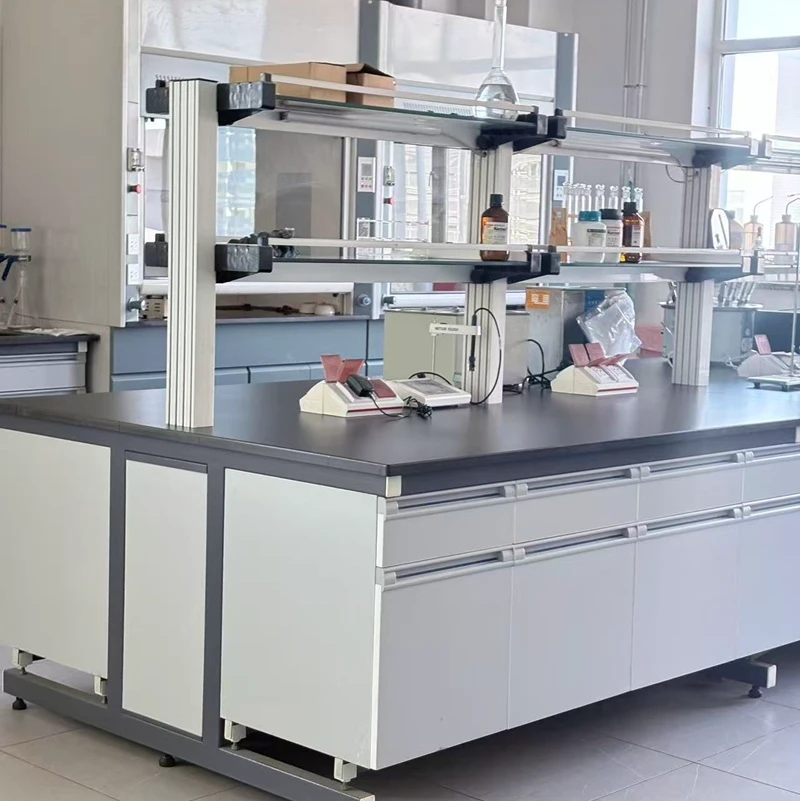
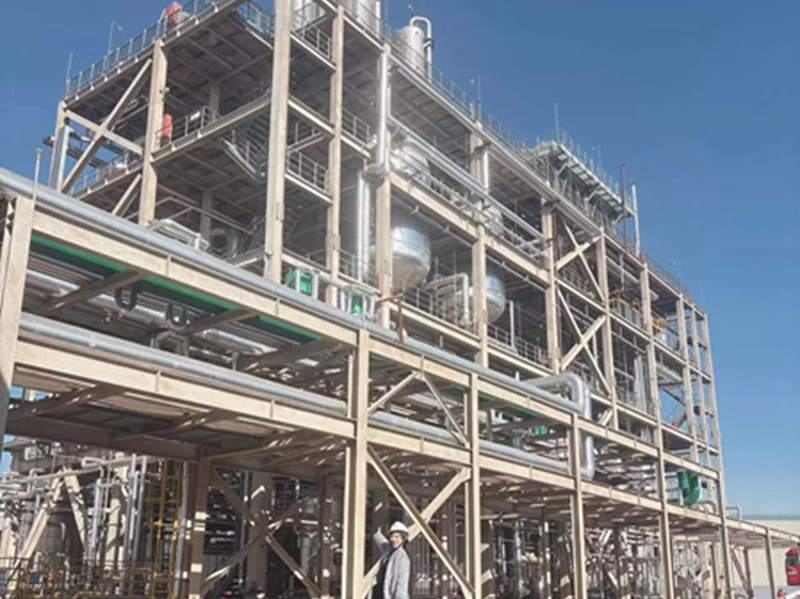
A: We are a manufacturer integrating industry and trade. Welcome to visit our company.
Q2: Can I add my LOGO to the product?
A: We support on-demand customization, including LOGO customization, color customization, appearance size customization, etc.
Q3: What payment methods do you support?
A: We support T/T, Western Union, PayPal, cash, etc. The details can be negotiated.
Q4: What are your modes of transportation?
A: We usually choose the appropriate mode of transportation (sea, air, land) according to the conditions of the goods, or we can choose the mode of transportation according to your requirements.
Q5: How can I get an accurate quotation?
A: You can first send your specific demand information and product pictures, and we will customize a solution for you according to your needs and inform you of the specific price.
| ACF Chemical Co., Ltd. Athena phone/whatsapp:008613805212761 email:ceo@acfchemical.com No. 45 Pengwan Road, Qianwan Bonded Port Area, Qingdao Area, China (Shandong) welcome to vist our factory. |
|
| UV 1164 | 2725-22-6 |
| 2-Hydroxyl ethyl acrylate; HEA | 818-61-1 |
| Hydroxy propyl acrylate; HPA | 25584-83-2 |
| N-Hydroxymethyl Acrylamide | 924-42-5 |
| Tert-butyl acrylate; TBA | 1663-39-4 |
| Lauryl acrylate; LA | 2156-97-0 |
| Tridecyl acrylate; TDA | 3076/4/8 |
| Stearyl acrylate; SA | 4813-57-4 |
| 2-Hydroxyl ethyl methacrylate; HEMA | 868-77-9 |
| Hydroxyl propyl methacrylate; HPMA | 27813-02-1 |
| Glycidyl methacrylate; GMA | 106-91-2 |
| Trifluoroethyl methacrylate; TFEMA | 352-87-4 |
| Acrylamide; AM (50% solution) | 1979/6/1 |
| Polyacrylamide; PAM | 9003/5/8 |
| Methacrylamide | 79-39-0 |
| Diacetone acrylamide; DAAM | 2873-97-4 |
| Benzyl Triethyl Ammonium Chloride | 56-93-9 |
| Ethylene-Vinyl Acetate-Vinyl Chloride (EVAVC) | 9003-22-9 |
| Benzyltriethylammonium bromide | 56-37-1 |
| Benzyltributylammonium bromide | 23616-79-7 |
| Tetrabutylammonium bromide | 37451-68-6 |
| Benzyltrimethylammonium bromide | 5350-41-4 |
| Benzyltributylammonium chloride | 5197-95-5 |
| Tetrabutylphosphonium bromide | 3115-68-2 |
| Methyltriphenylphosphonium bromide | 1779-49-3 |
| 4-dimethylaminopyridine | 1122-58-3 |
| Tetrabutylammonium iodide | 311-28-4 |
| Tetraethyl ammonium bromide | 71-91-0 |
| Triphenylphosphine | 603-35-0 |
| Potassium Persulfate | 7727-21-1 |
| Triphenylethyl phosphorus bromide | 1530-32-1 |
| 1, 2-Bis (diphenylphosphino) Ethane | 1663-45-2 |
| 1,3-Bis(diphenylphosphino)propane | 6737-42-4 |
| 1,5-Bis(diphenylphosphino)pentane | 2 7721-02-4 |
| 1,4-Bis(diphenylphosphino)butane | 7688-25-7 |
| 1,1-Bis(diphenylphosphino)ferrocene | 12150-46-8 |
| (R)-(+)-2,2′-Bis(diphenylphosphino)-1,1′-binaphthyl | 76189-55-4 |
| (S)-(-)-2,2′-Bis(diphenylphosphino)-1,1′-binaphthyl | 76189-56-5 |
| (R)-(+)-(1,1′-binaphthalene)-2,2′-diol | 18531-94-7 |
| (S)-(-)-1,1′-bi-2-naphthol | 18531-99-2 |
| 1,1′-Bi-2-naphthol | 602-09-5 |
| [1,3-Bis(diphenylphosphino)propane]nickel(II) chloride | 15629-92-2 |
| 1,3:2,4-Bis(3,4-dimethylobenzylideno) sorbitol | 135861-56-2 |
| 1,2-Bis(diphenylphosphino)ethane nickel(II) chloride | 14647-23-5 |
| 1,3:2,4-Di-p-methylbenzylidene sorbitol | 54686-97-4 |
| Sodium 2,2′-methylene-bis-(4,6-di-tert-butylphenyl)phosphate | 85209-91-2 |
| Aluminium hydroxybis[2,2′-methylen-bis(4,6-di-tert-butylphenyl)phosphate] | 151841-65-5 |
| Bis(4-(tert-butyl)benzoato-O)hydroxy Aluminium | 13170-05-3 |
| Minodronic Acid | 155648-60-5 |


