

Vinyl acetate CAS Number: 108-05-4
| Product | Vinyl acetate |
| CAS | 108-05-4 |
| MF | C4H6O2 |
| Formula | Aceticacidvinyl;Vinylacetate,Acetoxyethylene;Vinylacetate5g[108-05-4];Vinylacetate10g[108-05-4];Vinylacetatesolution,ChemicalbookAcetoxyethylene,;VINYLACETATE(STABILISED)FORSYNTHESIS;Vinylacetate,stabilized,99+%1LT;Vinylacetate,stabilized,99+%25ML |
product description
Basic Info.
Acetic Acid Vinyl Ester Properties
| Melting point | -93 °C (lit.) |
|---|---|
| Boiling point | 72-73 °C (lit.) |
| Density | 0.934 g/mL at 25 °C (lit.) |
| vapor density | 3 (vs air) |
| vapor pressure | 88 mm Hg ( 20 °C) |
| refractive index | n20/D 1.395(lit.) |
| Flash point | 20 °F |
| storage temp. | 2-8°C |
| solubility | 20g/l |
| form | Liquid |
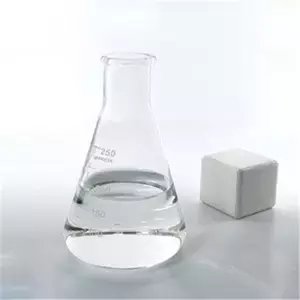
| color | Clear colorless to almost colorless |
| Odor | Sweet, pleasant, fruity |
| PH | 7 (20g/l, H2O, 20℃) |
| Viscosity | 0.432 cp (20C) |
| explosive limit | 2.6-13.4%(V) |
| Water Solubility | 23 g/L (20 ºC) |
| Sensitive | Light Sensitive |
| Merck | 14,9992 |
| BRN | 1209327 |
| Henry’s Law Constant | 4.81 (calculated, Howard, 1989) |
| Exposure limits | NIOSH REL: 15-min ceiling 4 ppm (15 mg/m3); ACGIH TLV: TWA 10 ppm, STEL 15 ppm (adopted). |
| Dielectric constant | 4.5(23℃) |
| Stability | Stable. Highly flammable. Incompatible with acids, bases, oxidizing agents, peroxides, chlorosulfonic acid, ethylene imine, hydrochloric acid, oleum, nitric acid, sulfuric acid, 2-aminoethanol, light. Susceptible to polymerization; commercial product may be stabilized by the addition of hydroquinone. |
| Cosmetics Ingredients Functions | CLEANSING |
| InChI | 1S/C4H6O2/c1-3-6-4(2)5/h3H,1H2,2H3 |
| InChIKey | XTXRWKRVRITETP-UHFFFAOYSA-N |
| SMILES | CC(=O)OC=C |
| LogP | 0.73 at 20℃ |
| Surface tension | 22.476mN/m at 298.15K |
| FDA 21 CFR | 172.892; 175.105; 175.300; 175.320; 176.180 |
| CAS DataBase Reference | 108-05-4(CAS DataBase Reference) |
| Substances Added to Food (formerly EAFUS) | VINYL ACETATE |
| EWG’s Food Scores | 4 |
| FDA UNII | L9MK238N77 |
| IARC | 2B (Vol. Sup 7, 63) 1995 |
| NIST Chemistry Reference | Acetic acid ethenyl ester(108-05-4) |
| EPA Substance Registry System | Vinyl acetate (108-05-4) |
| ECETOC JACC REPORT | Vinyl acetate (108-05-4) |
| Toxicological Profile|ATSDR | Vinyl acetate|Toxicological Profile|ATSDR |
| UNSPSC Code | 77101502 |
| NACRES | NA.24 |
SAFETY
Risk and Safety Statements
| Symbol(GHS) |    GHS02,GHS07,GHS08 |
|---|---|
| Signal word | Danger |
| Hazard statements | H225-H332-H335-H351-H412 |
| Precautionary statements | P202-P210-P233-P273-P304+P340+P312-P308+P313 |
| target organs | Respiratory system |
| PPE | Eyeshields, Faceshields, Gloves, type ABEK (EN14387) respirator filter |
| Hazard Codes | F,T,Xn |
| Risk Statements | 11-39/23/24/25-23/24/25-36-20/21/22-40-37-20 |
| Safety Statements | 16-23-29-33-45-36/37-7-9 |
| RIDADR | UN 1301 3/PG 2 |
| OEL | Ceiling: 4 ppm (15 mg/m3) [15-minute] |
| WGK Germany | 2 |
| RTECS | AK0875000 |
| Autoignition Temperature | 801 °F |
| TSCA | TSCA listed |
| HazardClass | 3 |
| PackingGroup | II |
| HS Code | 29153200 |
| HS Code | 29333999 |
| Storage Class | 3 – Flammable liquids |
| Hazard Classifications | Acute Tox. 4 Inhalation Aquatic Chronic 3 Carc. 2 Flam. Liq. 2 STOT SE 3 |
| Hazardous Substances Data | 108-05-4(Hazardous Substances Data) |
| Toxicity | LD50 orally in rats: 2.92 g/kg (Smyth, Carpenter) |
| Limited Quantities | 1.0 L (0.3 gallon) (liquid) |
| Excepted Quantities | Max Inner Pack (30g or 30ml) and Max Outer Pack (500g or 500ml) |
Acetic Acid Vinyl Ester Chemical Properties,Uses,Production
Description
Vinyl acetate monomer (VAM) is a colourless liquid, immiscible or slightly soluble in water. VAM is a flammable liquid. VAM has a sweet, fruity smell (in small quantities), with sharp, irritating odour at higher levels. VAM is an essential chemical building block used in a wide variety of industrial and consumer products. VAM is a key ingredient in emulsion polymers, resins, and intermediates used in paints, adhesives, coatings, textiles, wire and cable polyethylene compounds, laminated safety glass, packaging, automotive plastic fuel tanks, and acrylic fibres. Vinyl acetate is used to produce polyvinyl acetate emulsions and resins. Very small residual levels of vinyl acetate have been found present in products manufactured using VAM, such as moulded plastic items, adhesives, paints, food packaging containers, and hairspray.
Chemical Properties
Vinyl acetate is a colorless, flammable liquid with a pungent odor. The odor threshold is 0.12 ppm 0.3 ppm (NY, NJ).it is the precursor to polyvinyl acetate, an important polymer in industry.
Physical properties
Colorless, watery liquid with a pleasant, fruity odor. Experimentally determined detection and recognition odor threshold concentrations were 400 μg/m3 (120 ppbv) and 1.4 mg/m3 (400 ppbv), respectively (Hellman and Small, 1974).
Uses
Vinyl acetate is primarily used to produce polyvinyl acetate emulsions and polyvinyl alcohol. The principal use of these emulsions has been in adhesives, paints, textiles, and paper products.
Uses
In polymerized form for plastic masses, films and lacquers; in plastic film for food packaging. As modifier for food starch.
Production Methods
Vinyl acetate is an industrial chemical that is produced in large amounts in the United States. The worldwide production capacity of vinyl acetate monomer (VAM) was estimated at 6,154,000 tonnes/annum in 2007, with most capacity concentrated in the United States (1,585,000 all in Texas), China (1,261,000), Japan (725,000) and Taiwan (650,000) . The average list price for 2008 was $1600/tonne. Celanese is the largest producer (ca 25% of the worldwide capacity), while other significant producers include China Petrochemical Corporation (7 %), Chang Chun Group (6%) and LyondellBasell (5%).
It is a key ingredient in furniture-glue.
Preparation
The major industrial route involves the reaction of ethylene and acetic acid with oxygen in the presence of a palladium catalyst.
Ethylene + acetic acid + 1/2 O2 → Vinyl acetate +H2O
But by products are also generated:
Ethylene + 3 O2 → 2CO2 + 2H2O
Vinyl acetate is also prepared by the gas-phase addition of acetic acid to acetylene.
Definition
ChEBI: Vinyl acetate is an acetate ester.
Reactions
Vinyl acetate undergoes many of the reactions anticipated for an alkene and an ester. Bromine adds to give the dibromide. Hydrogen halides add to give 1-haloethyl acetates, which cannot be generated by other methods because of the non – availability of the corresponding halo-alcohols. Acetic acid adds in the presence of palladium catalysts to give ethylidene diacetate, CH3CH(OAc)2. It undergoes transesterification with a variety of carboxylic acids.The alkene also undergoes Diels – Alder and 2 + 2 cycloadditions.
General Description
Vinyl acetate appears as a clear colorless liquid. Flash point 18 °F. Density 7.8 lb / gal. Slightly soluble in water. Vapors are heavier than air. Vapors irritate the eyes and respiratory system. May polymerize if heated or contaminated. If polymerization occurs inside a container, the container may violently rupture. Used to make adhesives, paints, and plastics.
Air & Water Reactions
Highly flammable. Slightly soluble in water.
Reactivity Profile
Vinyl acetate may undergo spontaneous exothermic polymerization on exposure to light. Reacts with air or water to produces peroxides that initiate explosively violent polymerization. Reacts with hydrogen peroxide to form explosive peracetic acid. Reacts with oxygen to form explosive peroxides. Forms explosive Vinyl acetate ozonide on contact with ozone. Undergoes violent or explosive reactions with 2-aminoethanol, chlorosulfonic acid, ethylenediamine, mineral acids (hydrochloric acid, hydrofluoric acid, nitric acid, sulfuric acid, oleum), and peroxides [Lewis, 3rd ed., 1993, p. 1311]. Polymerization initiated by dibenzoyl peroxide in ethyl acetate accelerated out of control, ignited and exploded [Vervalin, 1973, p. 81]. Polymerization in toluene solution has caused several large industrial explosions [MCA Case History No. 2087].
Health Hazard
Vinyl acetate has been related to reproductive abnormalities. It is a skin and upper respiratory tract irritantand a central nervous system depressant. Exposure caused gradual deterioration of heart muscles.
Fire Hazard
When heated to decomposition, Vinyl acetate burns and emits acrid fumes. Highly dangerous when exposed to heat, flames or oxidizers; explosion hazard with strong acids and strong oxidizers. Incompatible with alumina, oxidizing materials, 2-aminoethanol, chlorosulfonic acid; ethyleneimine; 36% hydrochloric acid; 48.7% hydrofluoric acid; 70% nitric acid; oleum; 96% sulfuric acid; ethylene diamine; peroxides and silica gel. Avoid light or any polymerizing initiator. Hazardous polymerization can be initiated by organic and inorganic peroxides; azo compounds; redox systems (including organometallic components); light; and high energy radiation.
Flammability and Explosibility
Highly flammable
Safety Profile
Confirmed carcinogen with experimental carcinogenic and tumorigenic data. Moderately toxic by ingestion, inhalation, and intraperitoneal routes. A skin and eye irritant. Experimental reproductive effects. Human mutation data reported. Highly dangerous fire hazard when exposed to heat, flame, or oxidzers. A storage hazard, it may undergo spontaneous exothermic polymerization. Reaction with air or water to form peroxides that catalyze an exothermic polymerization reaction has caused several large industrial explosions. Reaction with hydrogen peroxide forms the explosive peracetic acid. Reacts with oxygen above 50℃ to form an unstable explosive peroxide. Reacts with ozone to form the explosive vinyl acetate ozonide. Solution polymerization of the acetate dmolved in toluene has resulted in large industrial explosions. Polymerization reaction with dibenzoyl peroxide + ethyl acetate may release ignitable and explosive vapors. The vapor may react vigorously with desiccants (e.g., sihca gel or alumina). Incompatible (explosive) with 2-amino ethanol, chlorosulfonic acid, ethylenediamine, ethyleneimine, HCl, HF, HNO3, oleum, peroxides, H2SO4. See also ESTERS.
Potential Exposure
Vinyl acetate is used primarily in polymerization processes to produce polyvinyl acetate; polyvinyl alcohol, and vinyl acetate copolymer. The polymers, usually made as emulsions, suspensions, solutions, or resins, are used to prepare adhesives, paints, paper coatings, and textile finishes. Low molecular weight vinyl acetate is used as a chewing gum base.
Carcinogenicity
There is inadequate evidence in humans for the carcinogenicity of vinyl acetate. There is limited evidence in experimental animals for the carcinogenicity of vinyl acetate. Therefore, IARC has classified vinyl acetate as possibly carcinogenic to humans (Group 2B). This conclusion was based on the following evidence: vinyl acetate is rapidly transformed into acetaldehyde in human blood and animal tissues, there is sufficient evidence in experimental animals for the carcinogenicity of acetaldehyde, both vinyl acetate and acetaldehyde induce nasal cancer in rats after administration by inhalation, and vinyl acetate and acetaldehyde are genotoxic in human cells in vitro and in animals in vivo .
Shipping
UN1301 Vinyl acetate, stabilized, Hazard Class: 3; Labels: 3-Flammable liquid.
Purification Methods
Inhibitors such as hydroquinone and other impurities are removed by drying with CaCl2 and fractionally distilling under nitrogen, then refluxing briefly with a small amount of benzoyl peroxide and redistilling it under nitrogen. Store it in the dark at 0o. Add inhibitor (~0.004%) for storage. [Beilstein 2 IV 176.]
Polymerization
It can be polymerized, either by itself to make polyvinyl acetate or with other monomers to prepare copolymers such as ethylene-vinyl acetate (EVA), vinyl acetate-acrylic acid (VA / AA), polyvinyl chloride acetate (PVCA), and polyvinylpyrrolidone (Vp / Va Copolymer, used in hair gels). Due to the instability of the radical, attempts to control the polymerization via most ‘living/controlled’ radical processes have proved problematic. However, RAFT (or more specifically MADIX) polymerization offers a convenient method of controlling the synthesis of PVA by the addition of a xanthate or a dithiocarbamate chain transfer agent.
Toxicity evaluation
On January 31, 2009, the Government of Canada’s final assessment concluded that exposure to vinyl acetate is not considered to be harmful to human health . This decision under the Canadian Environmental Protection Act (CEPA) was based on new information received during the public comment period, as well as more recent information from the risk assessment conducted by the European Union.
Incompatibilities
Vinyl acetate may undergo spontaneous exothermic polymerization on exposure to light. Vapors may form explosive mixture with air. Incompatible with oxidizers (chlorates, nitrates, peroxides, permanganates, perchlorates, chlorine, bromine, fluorine, etc.); contact may cause fires or explosions. Keep away from alkaline materials, strong bases, strong acids, oxoacids, epoxides, strong light and UV. The vapor may react vigorously with silica gel or aluminum, acids, bases, silica gel; alumina, oxidizers, azo compounds. Ozone readily polymerizes in elevated temperatures, under the influence of light, or peroxides. Usually contains a stabilizer to prevent polymerization.
Toxics Screening Level
This ITSL was established on August 23, 1990 at 200 μg/m3 with 24 hr AT .
Waste Disposal
Dissolve or mix the material with a combustible solvent and burn in a chemical incinerator equipped with an afterburner and scrubber. All federal, state, and local environmental regulations must be observed.
Acetic Acid Vinyl Ester Preparation Products And Raw materials
FAQ
Q1: About the after-sale service of products
A: After purchasing the products from our factory, we have A professional technical team and after-sales team to serve you and solve all your problems in the future.
Q2: Can I get some samples?
A: Yes, we can provide samples, but the customer will pay the freight.
Q3: How do I start paying?
Payment can be made by wire transfer or T/T, apple_pay, google_pay, gc_real_time_bank_transfer , etc.
Q4: How to confirm product quality before placing an order?
A: You can get free samples of some products. You just have to pay the shipping fee or arrange for the sample to be sent to us by express.
You can send us your product specifications and requirements and we will produce products according to your requirements.
Q5: What is your MOQ?
A: The minimum quantity we can order is 1kg.
But usually we can accept a smaller quantity, say 100g, at the cost of 100% sample charge.
Q6: Shipping Time?
A: We ship the parcel out in 1-2 days and offer tracking No.. Shipping time is different to different country. Please consult
| ACF Chemical Co., Ltd.
Leon phone/whatsapp:008615950692266 email:md@acfchemical.com No. 45 Pengwan Road, Qianwan Bonded Port Area, Qingdao Area, China (Shandong) |
|
| DMEA | 108-01-0 |
| Dodecyl trimethyl ammonium chloride | 112-00-5 |
| N-Hexadecyltrimethylammonium chloride | 112-02-7 |
| 1831 | 112-03-8 |
| 1631Br | 57-09-0 |
| D821 | 5538-94-3 |
| D8/1021 | 68424-95-3 |
| D1021 | 7173-51-5 |
| D1821 | 61789-80-8 |
| TEP88 | 157905-74-3 |
| 1227 C12 | 139-07-1 |
| DMPT(N,N-Dimethyl-p-toluidine) | 99-97-8 |
| NDPT(N,N-dihydroxyethyl-p-toluidine) | 3077-12-1. |
| DMA(N,N-dimethylaniline) | 121-69-7 |
| N,N-Diethylaniline | 91-66-7 |
| MT(M-Toluidine) | 108-44-1 |
| PT(P-Toluidine) | 106-49-0 |
| O-Toluidine OT | 95-53-4 |
| Dimethyl(octyl)amine | 7378-99-6/1120-24-7 |
| C16-18-alkyldimethyl Octadecyl/Hexadecyl dimethylamines | 68390-97-6 |
| Octadecyl/behenyl dimethylamines | 124046-42-0 |
| N,N-dimethyldocosylamine | 21542-96-1 |
| N-Methyldioctylamine | 4455-26-9 |
| Di(octyl/decyl) methylamines | 308062-61-5 |
| Didecyl methylamine | 7396-58-9 |
| N-methyldidodecylamine | 2915-90-4 |
| Dipalmitamine | 16724-61-1 |
| Trioctylamine | 1116-76-3 |
| Trioctylamine | 68814-95-9 |
| N-3-Laurylamidopropyl dimethylamine | 3179-80-4 |
| N-3-(Hydrogenated cocoamido)propyl dimethylamines | 288095-05-6 |
| N-3-Oleylamidopropyl dimethylamine | 109-28-4 |
| N-3-Erucylamidopropyl dimethylamine | 60270-33-9 |
| N-Oleyl 1,3-propanediamine | 7173-62-8 |
| Bis(aminopropyl)laurylamine | 2372-82-9 |
| N-tallow alkyltripropylenetetra | 68911-79-5 |
| 3-(isodecyloxy)propylamine | 30113-45-2 |
| N-[3-(isodecyloxy)propyl]propane-1,3-diamine | 72162-46-0 |
| 2-(Methylamino)ethanol | 109-83-1 |
| N-Methyldiethanolamine | 105-59-9 |
| 3-Methoxy propyl amine | 5332-73-0 |
| N,N-dimethylcyclohexylamine | 98-94-2 |
| 1,3,5-Tris[3-(dimethylamino)propyl]hexahydro-1,3,5-triazine | 15875-13-5 |
| N,N,N’-trimethylamino-N’-ethylethanolamine | 2212-32-0 |
| N,N-Dimethylethanolamine | 108-01-1 |
| Acetone | |
| Acrylic acid | |
| Adipic acid | |
| Alpha-Methylstyrene (AMS) | |
| Benzoic Acid | |
| Bisphenol A | |
| Butyl Acrylat (BA) | |
| Butyl acetate (Butac) | |
| Butyl diglycol (BDG) | |
| Butyl glycol | |
| Para-tertiary butyl benzoic acid (PTBBA) | |
| n-Butanol | |
| n-Butyl methacrylate (n-BUMA) | |
| para-tert. Butylphenol (PTBP) | |


