
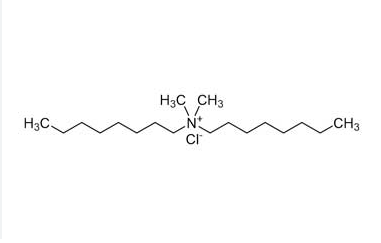
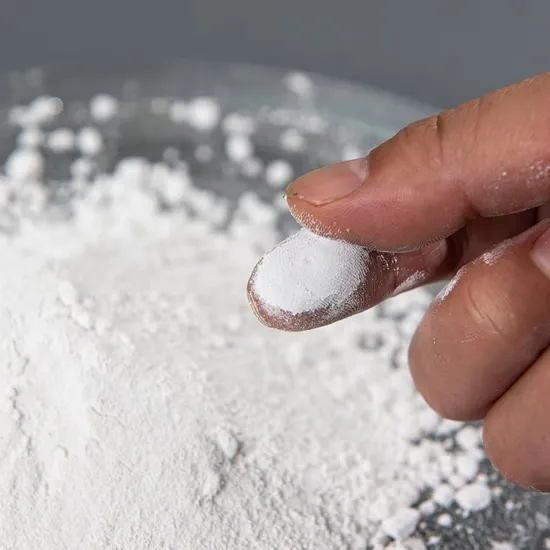
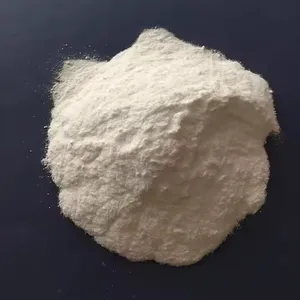
Bisoctyl dimethyl ammonium chloride CAS Number: 5538-94-3
| Product | Bisoctyl dimethyl ammonium chloride |
| CAS | 5538-94-3 |
| Formula | C18H40ClN |
| Synonym | DIOCTYLDIMETHYLAMMONIUMCHLORIDE;Dimethyldioctylammoniumchloride;1-Octanaminium,N,N-dimethyl-N-octyl-,chloridChemicalbooke;N,N-Dimethyl-N,N-dioctylammoniumchloride;Bisoctyldimethylammoniumchloride;DisoctylDimethylAmmoniumChloride |
product description
Information on basic physicochemical properties
- Physical stateSolid
- ColourColourless to Off-White Thick Oil to Sticky
- Odourno data available
- Melting point/freezing point89?°C (dec.)(lit.)
- Boiling point or initial boiling point and boiling range1090?°C(lit.)
- Flammabilityno data available
- Lower and upper explosion limit/flammability limitno data available
- Flash point?26?°F
- Auto-ignition temperatureno data available
- Decomposition temperatureno data available
- pHno data available
- Kinematic viscosityno data available
- SolubilityChloroform (Slightly), Methanol (Slightly)
- Partition coefficient n-octanol/waterno data available
- Vapour pressureno data available
- Density and/or relative density0.889?g/mL?at 25?°C
- Relative vapour density6 (vs air)
- Particle characteristicsno data available
Disoctyl Dimethyl Ammonium Chloride (cas 5538-94-3) Market Overview
The Disoctyl Dimethyl Ammonium Chloride (cas 5538-94-3) Market was estimated at USD 120 million in 2024, and forecasts indicate a robust 5.8% CAGR from 2026-2033, with the market expected to reach USD 199.32 Million by 2033.
The Disoctyl Dimethyl Ammonium Chloride (cas 5538-94-3) Market report delivers an in-depth evaluation of the current landscape and future growth outlook, highlighting essential trends, key drivers, major challenges, and emerging opportunities shaping the industry. It provides detailed segmentation insights, a comprehensive competitive assessment, and a forward-looking forecast spanning 2026 to 2034, equipping businesses, investors, and decision-makers with actionable intelligence for strategic planning.
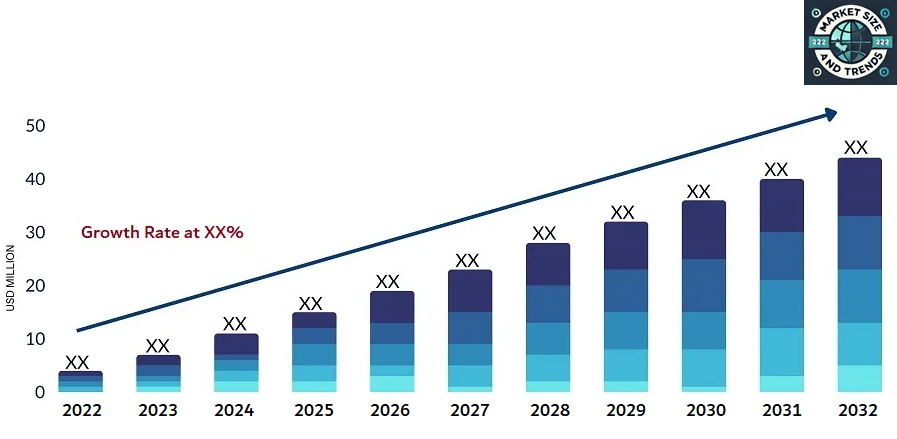
The Global disoctyl dimethyl ammonium chloride (cas 5538-94-3) market has seen substantial growth over the past decade, driven by advancements in technology, changing consumer preferences, and an increasing emphasis on sustainable practices. This report provides a comprehensive analysis of the market, offering insights into its current state, future growth prospects, and key trends that are shaping the industry. As industries across the globe continue to innovate and evolve, the disoctyl dimethyl ammonium chloride (cas 5538-94-3) market is no exception. This report delves into the factors driving market expansion, including technological innovations, regulatory influences, and economic developments. The analysis covers various market segments, competitive landscapes, and regional dynamics, providing a holistic view of the market.
Scope of the Report :
This report provides an all-inclusive environment of the analysis for the Global disoctyl dimethyl ammonium chloride (cas 5538-94-3) market. The market estimates provided in the report are the result of in-depth secondary research, primary interviews and in-house expert reviews. These market estimates have been considered by studying the impact of various social, political and economic factors along with the current market dynamics affecting the Global disoctyl dimethyl ammonium chloride (cas 5538-94-3) market growth.
Along with the market overview, which comprises of the market dynamics the chapter includes a Porter’s Five Forces analysis which explains the five forces: namely buyers bargaining power, suppliers bargaining power, threat of new entrants, threat of substitutes, and degree of competition in the Global disoctyl dimethyl ammonium chloride (cas 5538-94-3) market. It explains the various participants, such as system integrators, intermediaries and end-users within the ecosystem of the market. The report also focuses on the competitive landscape of the Global disoctyl dimethyl ammonium chloride (cas 5538-94-3) market.
| ATTRIBUTES | REPORT COVERAGE |
|---|---|
| STUDY PERIOD | 2023-2033 |
| BASE YEAR | 2024 |
| FORECAST PERIOD | 2026-2033 |
| HISTORICAL PERIOD | 2023 |
| ESTIMATED PERIOD | 2025 |
| UNIT | VALUE (USD BILLION) |
| KEY COMPANIES PROFILED | Key Player I,Key Player II,Key Player III,Key Player IV,Key Player V |
| SEGMENTS COVERED | By Type – Type I, Type II, Type III, Type IV By Application – Application I, Application II, Application III, Application IV By Geography – North America, Europe, APAC, Middle East Asia & Rest of World. |
Competitive Landscape :
The competitive landscape of the Global disoctyl dimethyl ammonium chloride (cas 5538-94-3) market is characterized by the presence of several key players, ranging from established companies to emerging startups. These companies are focusing on innovation, strategic partnerships, mergers and acquisitions, and geographic expansion to strengthen their market position.
Key Players :
- Key Player I
- Key Player II
- Key Player III
- Key Player IV
- Key Player V
Market Segmentation
The Global disoctyl dimethyl ammonium chloride (cas 5538-94-3) market is segmented based on product type, application, end-use industry. Each segment is analyzed in detail to provide insights into market trends, growth drivers, and challenges.
By Type :
- Type I
- Type II
- Type III
- Type IV
By Application :
- Application I
- Application II
- Application III
- Application IV
Regional Analysis
The Global disoctyl dimethyl ammonium chloride (cas 5538-94-3) market is analyzed across various regions, including North America, Europe, Asia-Pacific, Latin America, and the Middle East & Africa. Each region’s market dynamics, growth drivers, challenges, and opportunities are explored in detail.
North America :
The North American disoctyl dimethyl ammonium chloride (cas 5538-94-3) market is characterized by advanced technological infrastructure, a strong emphasis on innovation, and supportive regulatory environments. The region’s demand for disoctyl dimethyl ammonium chloride (cas 5538-94-3) market solutions is driven by industries such as healthcare, automotive, technology, etc. The United States and Canada are the leading markets in this region.
Europe :
Europe is a significant market for disoctyl dimethyl ammonium chloride (cas 5538-94-3) market, with countries such as Germany, the United Kingdom, and France leading the way. The region’s focus on sustainability and environmental protection is a key driver of market growth. Additionally, Europe’s well-established industrial base and regulatory framework create a conducive environment for the adoption of disoctyl dimethyl ammonium chloride (cas 5538-94-3) market solutions.
Asia-Pacific :
The Asia-Pacific region is expected to witness the highest growth in the Global disoctyl dimethyl ammonium chloride (cas 5538-94-3) market during the forecast period. Rapid industrialization, urbanization, and economic growth in countries like China, India, and Japan are driving the demand for disoctyl dimethyl ammonium chloride (cas 5538-94-3) market products/services. The region’s growing middle class and increasing consumer awareness are also contributing to market expansion.
Latin America :
Latin America’s disoctyl dimethyl ammonium chloride (cas 5538-94-3) market is characterized by significant growth potential, particularly in countries like Brazil, Mexico, and Argentina. The region’s expanding industrial sector, coupled with government initiatives to promote innovation and sustainability, is expected to drive market growth.
Middle East & Africa :
The Middle East & Africa region is emerging as a key market for disoctyl dimethyl ammonium chloride (cas 5538-94-3) market, driven by infrastructure development, industrialization, and economic diversification efforts. Countries such as the United Arab Emirates, Saudi Arabia, and South Africa are leading the region’s market growth.
Research Methodology :
The research methodology is a combination of primary research, secondary research and expert panel reviews. Secondary research includes sources such as press releases company annual reports and research papers related to the industry. Other sources include industry magazines, trade journals, government websites and associations were can also be reviewed for gathering precise data on opportunities for business expansions in Global disoctyl dimethyl ammonium chloride (cas 5538-94-3) market.
Primary research :
Primary research involves telephonic interviews various industry experts on acceptance of appointment for conducting telephonic interviews sending questionnaire through emails (e-mail interactions) and in some cases face-to-face interactions for a more detailed and unbiased review on the Global disoctyl dimethyl ammonium chloride (cas 5538-94-3) market, across various geographies. Primary interviews are usually carried out on an ongoing basis with industry experts in order to get recent understandings of the market and authenticate the existing analysis of the data. Primary interviews offer information on important factors such as market trends market size, competitive landscapegrowth trends, outlook etc. These factors help to authenticate as well as reinforce the secondary research findings and also help to develop the analysis team’s understanding of the market.
Secondary research :
Secondary research involves the analysis of existing data sources, including industry reports, company reports, government publications, and academic research. This research provides additional context and validation.
Data Triangulation :
Data triangulation is employed to cross-verify data obtained from multiple sources, ensuring accuracy and consistency. This process involves comparing data from primary and secondary research to identify and resolve discrepancies.
Market Modeling and Forecasting :
Market modeling and forecasting are conducted using advanced statistical models, such as time series analysis, regression analysis, and econometric models. These models incorporate various market variables to generate accurate forecasts for market growth.
Reasons to Purchase this Report :
- Qualitative and quantitative analysis of the market based on segmentation involving both economic as well as non-economic factors.
- Provision of market value (USD Billion) data for each segment and sub-segment.
- Indicates the region and segment that is expected to witness the fastest growth as well as to dominate the market.
- Analysis by geography highlighting the consumption of the product/service in the region as well as indicating the factors that are affecting the market within each region.
- Competitive landscape which incorporates the market ranking of the major players, along with new service/product launches, partnerships, business expansions and acquisitions in the past five years of companies profiled.
- Extensive company profiles comprising of company overview, company insights, product benchmarking and SWOT analysis for the major market players.
- The current as well as future market outlook of the industry with respect to recent developments which involve growth opportunities and drivers as well as challenges and restraints of both emerging as well as developed regions.
- Includes an in-depth analysis of the market of various perspectives through Porter’s five forces analysis.
- Provides insight into the market through Value Chain.
- Market dynamics scenario, along with growth opportunities of the market in the years to come.
- 6-month post sales analyst support.
Customization of the Report
In case of any queries or customization requirements please connect with our sales team,
who will ensure that your requirements are met.
| ACF Chemical Co., Ltd. Leon : phone/whatsapp:008615950692266 email:md@acfchemical.com No. 45 Pengwan Road, Qianwan Bonded Port Area, Qingdao Area, China (Shandong) welcome to vist our factory. sample is free ACF Chemical Qingdao Co., Ltd. was established in 1987. the company has over decades of experience in the production of methacrylate and acrylate series products, as well as high-efficiency polymerization inhibitors and rubber and plastic antioxidant series products. The company’s leading products are high-efficiency polymerization inhibitor series products, with an annual production capacity of 1,000 tons of tert-butylhydroquinone (TBC), 800 tons of polymerization inhibitor TH-701, 500 tons of polymerization inhibitor TH-A294, 500 tons of polymerization inhibitor TH-100BE, 500 tons of phenothiazine, and 200 tons of hydroquinone. |
|
| DMEA | 108-01-0 |
| Dodecyl trimethyl ammonium chloride | 112-00-5 |
| N-Hexadecyltrimethylammonium chloride | 112-02-7 |
| 1831 | 112-03-8 |
| 1631Br | 57-09-0 |
| D821 | 5538-94-3 |
| D8/1021 | 68424-95-3 |
| D1021 | 7173-51-5 |
| D1821 | 61789-80-8 |
| TEP88 | 157905-74-3 |
| 1227 C12 | 139-07-1 |
| DMPT(N,N-Dimethyl-p-toluidine) | 99-97-8 |
| NDPT(N,N-dihydroxyethyl-p-toluidine) | 3077-12-1. |
| DMA(N,N-dimethylaniline) | 121-69-7 |
| N,N-Diethylaniline | 91-66-7 |
| MT(M-Toluidine) | 108-44-1 |
| PT(P-Toluidine) | 106-49-0 |
| O-Toluidine OT | 95-53-4 |
| Dimethyl(octyl)amine | 7378-99-6/1120-24-7 |
| C16-18-alkyldimethyl Octadecyl/Hexadecyl dimethylamines | 68390-97-6 |
| Octadecyl/behenyl dimethylamines | 124046-42-0 |
| N,N-dimethyldocosylamine | 21542-96-1 |
| N-Methyldioctylamine | 4455-26-9 |
| Di(octyl/decyl) methylamines | 308062-61-5 |
| Didecyl methylamine | 7396-58-9 |
| N-methyldidodecylamine | 2915-90-4 |
| Dipalmitamine | 16724-61-1 |
| Trioctylamine | 1116-76-3 |
| Trioctylamine | 68814-95-9 |
| N-3-Laurylamidopropyl dimethylamine | 3179-80-4 |
| N-3-(Hydrogenated cocoamido)propyl dimethylamines | 288095-05-6 |
| N-3-Oleylamidopropyl dimethylamine | 109-28-4 |
| N-3-Erucylamidopropyl dimethylamine | 60270-33-9 |
| N-Oleyl 1,3-propanediamine | 7173-62-8 |
| Bis(aminopropyl)laurylamine | 2372-82-9 |
| N-tallow alkyltripropylenetetra | 68911-79-5 |
| 3-(isodecyloxy)propylamine | 30113-45-2 |
| N-[3-(isodecyloxy)propyl]propane-1,3-diamine | 72162-46-0 |
| 2-(Methylamino)ethanol | 109-83-1 |
| N-Methyldiethanolamine | 105-59-9 |
| 3-Methoxy propyl amine | 5332-73-0 |
| N,N-dimethylcyclohexylamine | 98-94-2 |
| 1,3,5-Tris[3-(dimethylamino)propyl]hexahydro-1,3,5-triazine | 15875-13-5 |
| N,N,N’-trimethylamino-N’-ethylethanolamine | 2212-32-0 |
| N,N-Dimethylethanolamine | 108-01-1 |
| Acetone | |
| Acrylic acid | |
| Adipic acid | |
| Alpha-Methylstyrene (AMS) | |
| Benzoic Acid | |
| Bisphenol A | |
| Butyl Acrylat (BA) | |
| Butyl acetate (Butac) | |
| Butyl diglycol (BDG) | |
| Butyl glycol | |
| Para-tertiary butyl benzoic acid (PTBBA) | |
| n-Butanol | |
| n-Butyl methacrylate (n-BUMA) | |
| para-tert. Butylphenol (PTBP) | |


