









High Performance Glycidyl Neodecanoate Liquid CAS 26761-45-5 for Epoxy Resin Active Diluent
Product Description
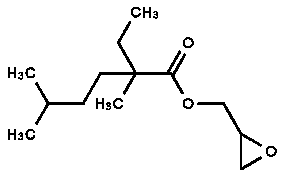
2,3-Epoxypropyl Neodecanoate is a versatile chemical compound used in various industrial applications due to its reactive epoxy group and hydrophobic neodecanoate moiety.
Product:
2,3-Epoxypropyl Neodecanoate
CAS:
26761-45-5
Synonym:
Glycidyl neodecanoate; Neodecanoic acid, 2,3-epoxypropyl ester
Structure:
Typical Characteristics
Appearance
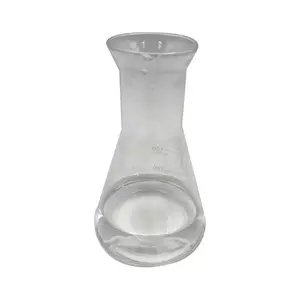
Colorless to pale yellow liquid
Boiling point
310 °C
Density
0.966 g/cm3
Flash Point
113 °C
Molecular Weight
228.32
Odor
Mild odor
Purity
99%
Refractive index
1.444
Uses, Applications & Markets
product description
Product Description
| Product Name | GLYCIDYL NEODECANOATE, MIXTURE OF BRANCHED ISOMERS |
| Appearance | Colorless Liquid |
| Molecular formula | C13H24O3 |
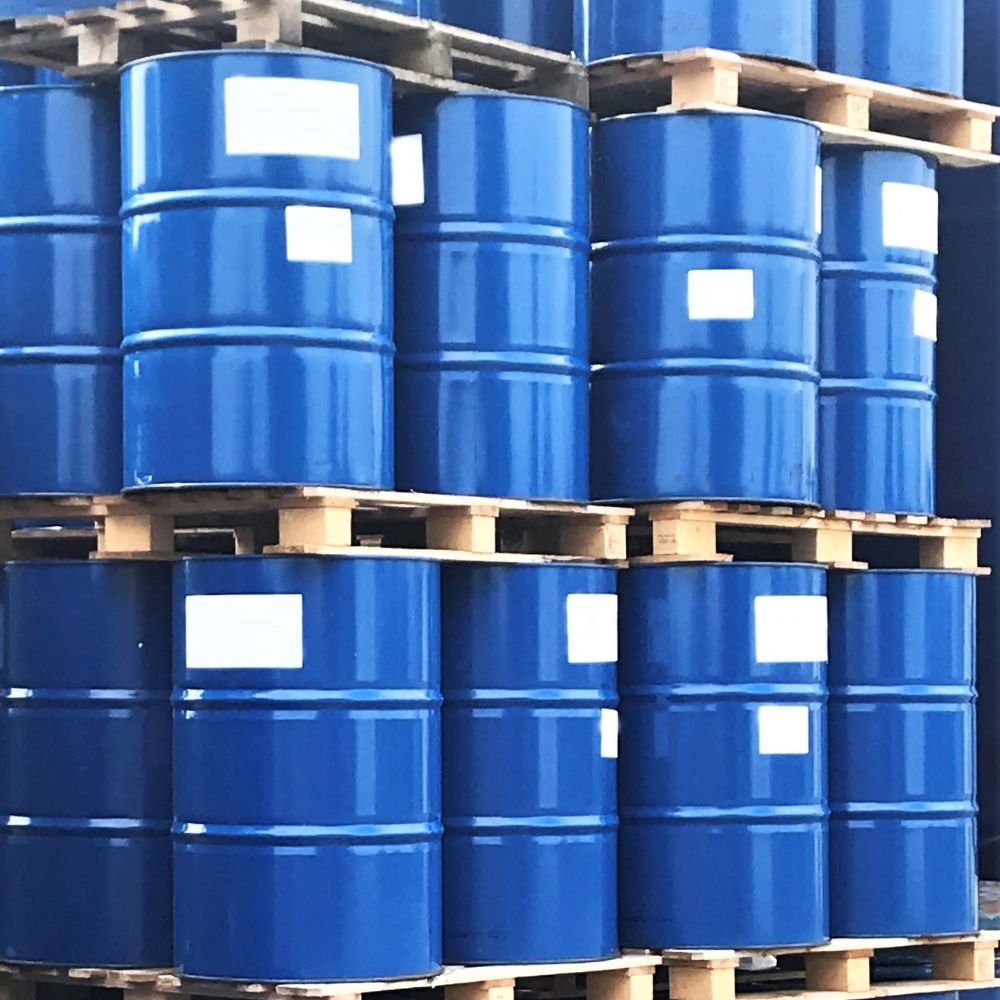
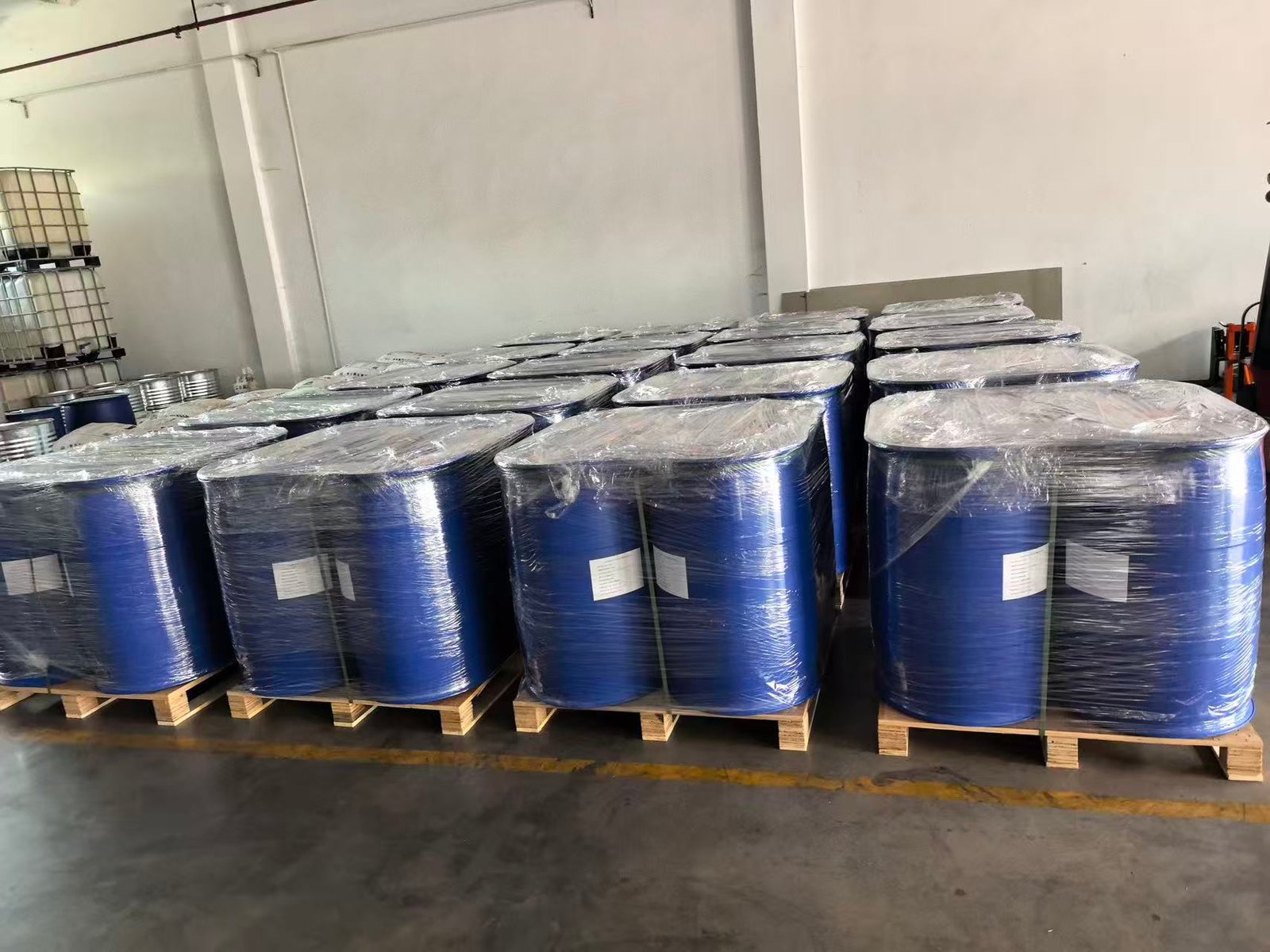
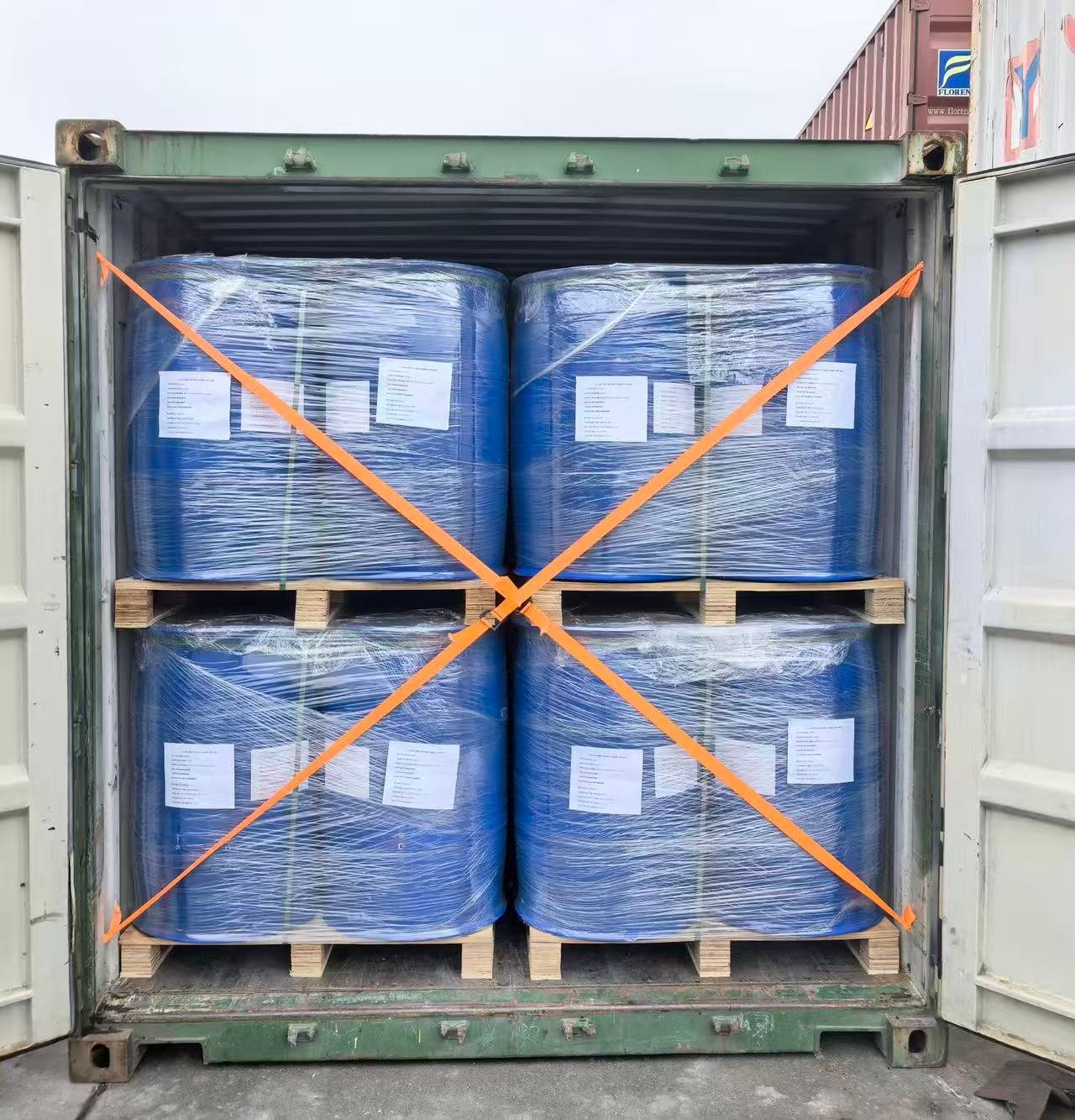
Packaging

 ISO 9001 & Quality Certificates
Basic Info.
Product Description
Product Name: Glycidyl Neodecanoate
Other Names: 2,3-Epoxypropyl neodecanoate; Glycidylesterofneodecanoic acid
Category: Organic raw materials; Ether compounds
CAS No.: 26761-45-5
EINECS: 247-979-2
Appearance: Light yellow liquid
Molecular Formula: C13H24O3
Brand Name: Colorcom
Shelf Life: 2 Years
Place of Origin:China
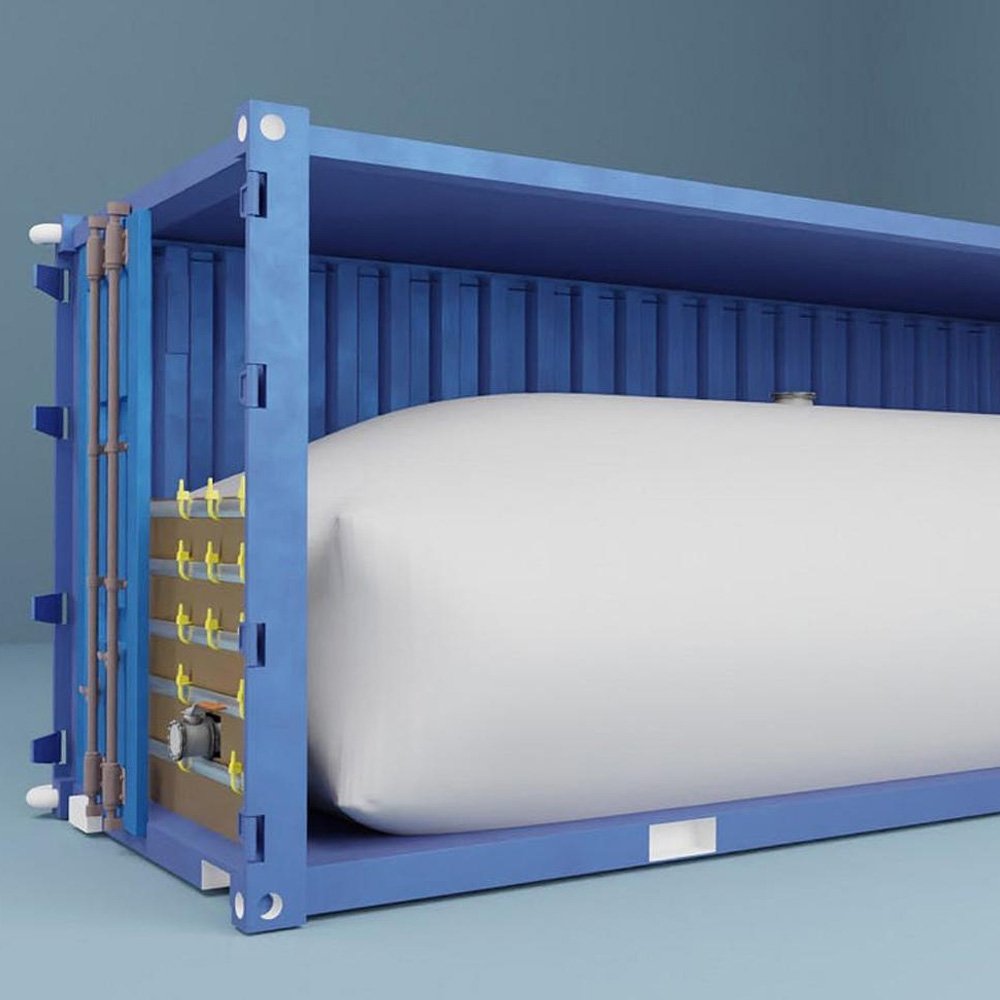
Package: 25 kgs/bag or as you request.
Storage: Store at a ventilated, dry place.
Executive Standard: International Standard.
In the performance of the new decanoate glycidyl Ester molecule on the sterically hindered alkyl structure, so as to provide anti-ultraviolet function to the coating film and to the ester bond, ether bond and other active groups to provide protection from acid, attack of the alkali. It can provide weather resistance, acid rain resistance, alkali resistance and the like.
Application:
One of its primary functions is to serve as an active diluent within epoxy resin systems.
It assists in reducing the resin’s viscosity, rendering it more manageable and easier to process. This characteristic lends it significant value in the production of coatings, adhesives, and composites, enhancing the flow properties and application performance of epoxy resin formulations.
It also contributes to enhancing the flexibility and toughness of the final product, making it more resistant to cracking and mechanical stress. Furthermore, it can be employed as a modifier to improve the chemical resistance and thermal stability of epoxy resins.


