

POLY(VINYL CHLORIDE-CO-VINYL ACETATE) | 9003-22-9
POLY(VINYL CHLORIDE-CO-VINYL ACETATE)
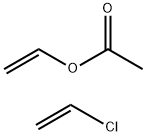
- CAS No.
- 9003-22-9
- Chemical Name:
- POLY(VINYL CHLORIDE-CO-VINYL ACETATE)
- Synonyms
- a15;LCM;50me;MXS1;vagd;vlvf;vmcc;vyhh;vyns;vynw
- CBNumber:
- CB0325149
- Molecular Formula:
- C6H9ClO2
- Molecular Weight:
- 148.59
product description
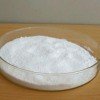
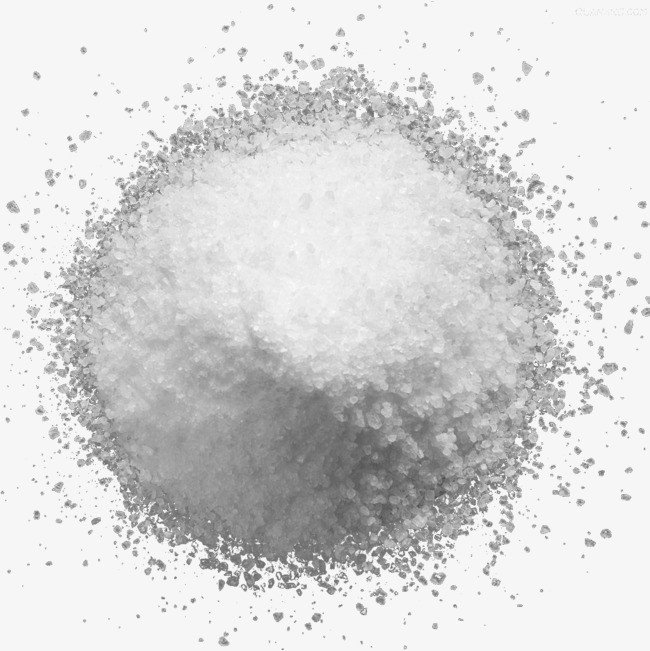
| Appearance: | White Powder | Whiteness: | ≥80 |
|---|---|---|---|
| Viscosity: | 79-82Ml/g | K Value: | 57-59 |
| Vinyl Acetate Content: | 7-9% | ||
| Highlight: |
polyamide resin, chemical resin |
||
Vinyl Chloride Vinyl Acetate Copolymer Resin (DY-10)
DY-10 is principally used for PVC ink, silk-screen printing ink, paper ink, electric cable material, pigment paste and flake for PU, PVC adhesive, CPVC adhesive, UPVC adhesive, leather treatment agent, transfer printing coating, basic material of magnetic card, thermal insulating foaming material, additive for PVC modification, calcium-plastic floor, coating etc.
For DY-10 resin, ketone solvents are especially suited, such as ace-tone, MEK, nadone and isophorone. Ester solvents have lower solubility for DY-10 resin, so we need to add ketone solvents into the solution while DY-10 resin will be dissolved in ester solvents.
DY-10 bipolymer resin is miscible with other resins during the course of usage, such as other types of vinyl chloride vinyl acetate copolymer, PVC resins, perchloro-ethylene resin, ketone resins, chloroprene rubber, NBR, polyacrylate, epoxy resin, polyester and petroleum resin etc.
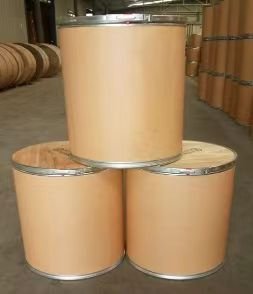
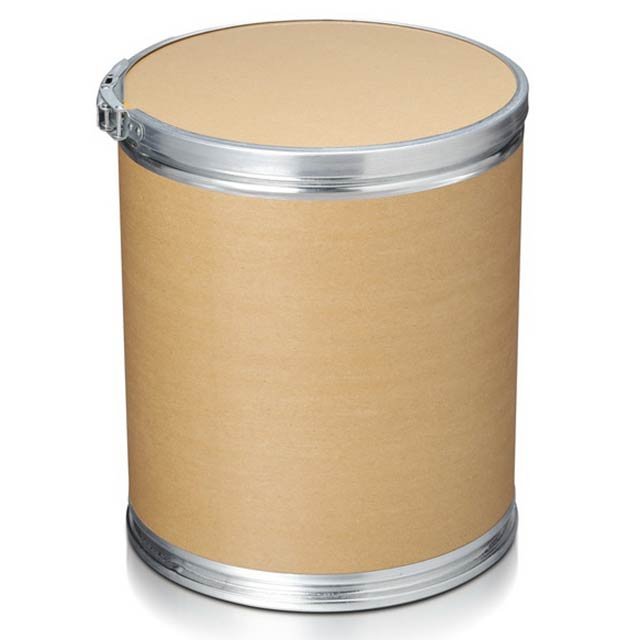
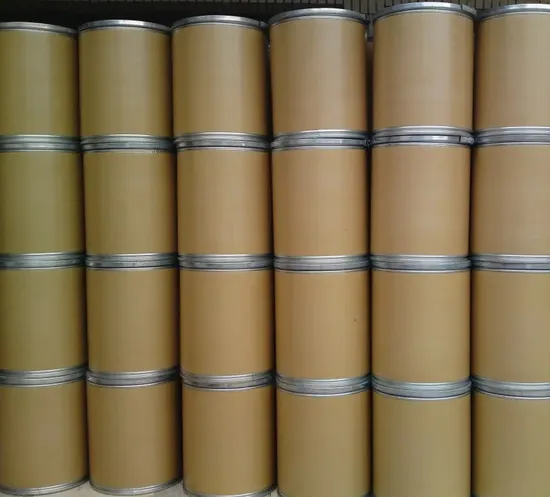
Usually packaged according to 25Kgs/bag, Craft paper-plastic composite bag lined with plastic film;
Stored in dry place away from sunlight;
Should the DY-10 resin have been kept over the shelf time, it shouldn’t mean the resin is invalid, but the user has to test the relevant properties before using it in bulk.
| Melting point | 80 °C |
| Density | 1.36 g/mL at 25 °C(lit.) |
| Storage | -20°C |
| Odor | bland odor |
| Appearance | White Powder |
CAS 9003-22-9 Vinyl Copolymer Resin DY – 1 For PVC Inks Of WACKER H15 / 42 Resin
Description
| Product Name: | Vinyl Chloride Vinyl Acetate Copolymer Resin | Application: | Strippable Coating, Inkjet Ink, PVC Ink, Silk-screen Printing Ink, Paper Ink, Electric Cable Material, Pigment Paste And Flake For PU, PVC Adhesive |
|---|---|---|---|
| CAS No.: | 9003-22-9 | Vinyl Acetate Content: | 13-15% |
| Volatilization: | ≤1% | Stacking Density: | ≥0.6g/ml |
| Net Weight: | 25Kg/bag | K Value: | 39-42 |
| Highlight: |
solution vinyl resins, cas 9003 22 9 |
||
Vinyl Copolymer Resin DY – 1 Used In PVC Inks The Replacement Of WACKER H15 / 42 Resin
Specifications:
| No. | Item | Index | Test Method & Criteria |
| 1 | Appearance | White powder | By visual |
| 2 | Whiteness | ≥80 | GB2913-82 |
| 3 | Viscosity
(Ml/g) |
42-46 | GB/T3401-1999 |
| 4 | K Value | 39-42 | GB/T3401-1999 |
| 5 | Vinyl Acetate Content
(%,by Wt) |
13-15 | ISO1159-1978 |
|
6
|
Volatilization
(%) |
≤1 | GB/T2914-1999 |
| 7 | Grain Size
(through 60 mesh) |
100﹪ | GB/T6003.1 |
| 8 | Stacking density
(g/ml) |
≥0.6 | GB20022-2005 |
| 9 | Impurity Particle No.
(grains/100g) |
≤20 | GB9348-88 |
| 10 | Solubility
25%(MEK: Toluene=1:1)solution |
Colorless, Transparent, No insoluble matter | By visual |
| 11 | Countertype | VYHD | DOW |
| H15/42 | WACKER |
Applications:
DY-1 resin is mainly applied in the following aspects:
strippable coating, inkjet ink, PVC ink, silk-screen printing ink, paper ink, electric cable material, pigment paste and flake for PU, PVC adhesive, inks and coatings possessing high gloss and high solid content etc.
Compatibility :
During the course of using, DY-1 type of copolymer resin is miscible with other resins, such as other types of vinyl chloride vinyl acetate copolymer, PVC resins, perchloro-ethylene resin, ketone resins, chloroprene rubber, NBR, polyacrylate, epoxy resin, polyester and petroleum resin etc.
Solubility :
For DY-1 type of bipolymer, ketone solvents are especially suited, such as ace-tone, MEK, nadone and isophorone.
Ester solvents have lower solubility for DY-1 resin, such as methyl acetate, ethyl acetate and butyl acetate etc. Therefore, we need to heat the solution or add ketone solvents into the solution while DY-1 resin is dissolved in ester solvents.
Chlorohydrocarbons, Nitro compound and alicyclic solvents, such as dichloroethane and diethylene oxide, also can dissolve DY-1 type of bipolymer, but these kinds of solvent are toxic, they are only used in special situation.
Stability:
DY-1 resin has excellent light and heat stability, but when it is used outdoors or at higher temperature, the following stabilizers are suggested to use with it, such as organotin stabilizer without sulphur, epoxy compound stabilizer, light resistant ultraviolet stabilizer.
Packaging and Storage:
The craft paper-plastic composite bag lined with plastic film.
25Kgs / bag.
DY-1 resin should be stored in dry place away from sunlight.
Competitive Advantage:
More appropriate price under the same quality as the one out of China.
Timely and effective service based on quality and technic.
Shorter lead time based on requirements from clients
After Sale:
Any queries on technology or quality assurance can be inquired to our company. Should DY-1 resin have been kept over the shelf time, it shouldn’t mean the resin is invalid, but the user has to test the relevant properties of DY-1 resin and its finished product before using it in bulk.


