
product description
Product Introduction
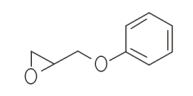
Chemical Name: Phenyl Glycidyl Ether
Structural Formula: o-C6H5OCH2(CHCH2)O
CAS: 122-60-1
Specific Gravity: 1.11
Boiling Point: 242.5℃
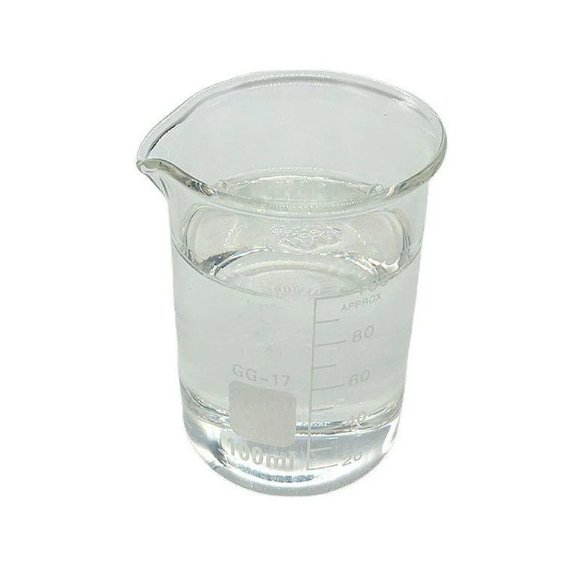
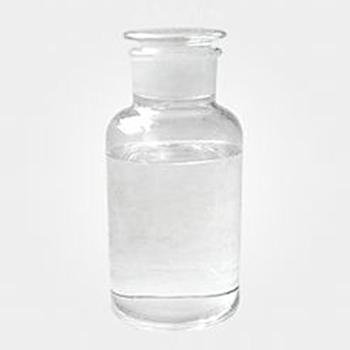
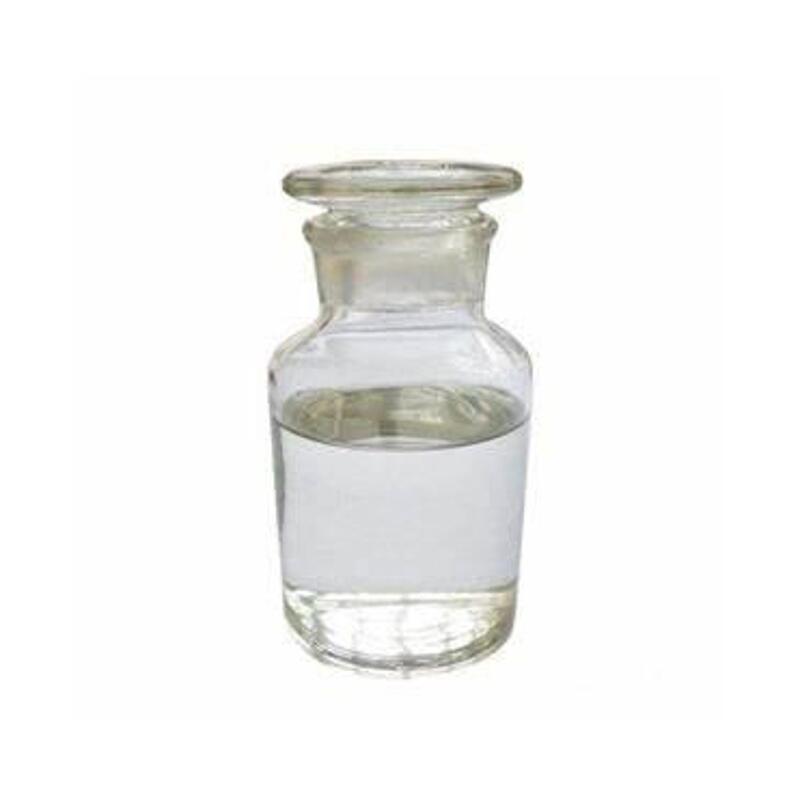
Appearance&Character: Colorless or yellowish transparent liquid. It’s easily miscible in water, aether and phene; good heat-resistance and corrosion-resistance with phene ring and ether key and epoxy group. Compared with Butyl Glycidyl Ether, its heat distortion temperature is higher.
7.2 Technical Data Sheet(TDS)
| Specification | Specification | Specification | Specification | Specification | Specification | Specification | |||||
| Item |
(APHA)
|
(25℃, mPa•s)
|
(Eq/100g)
|
(g/eq )
|
HY-CL(Eq/100g) | Inorganic Chlorine(Eq/100g) | Moistmure(%) | ||||
| LS-690 | ≤100 | 5-10 | ≥0.55 | ≤182 | ≤0.01 | ≤0.005 | ≤0.1 |
PS:Customized Service is workable.
7.3 Application
As an effective epoxy reactive diluent for aromatic epoxy resins, LS-690 can be widely used in electronics, electrical apparatus, electromechanics and machinery industries to decrease the viscosity, also can be used in encapsulation, casting, maceration and adhesive industries.It can also react with Polyamine to get curing agents.
7.4. Packing
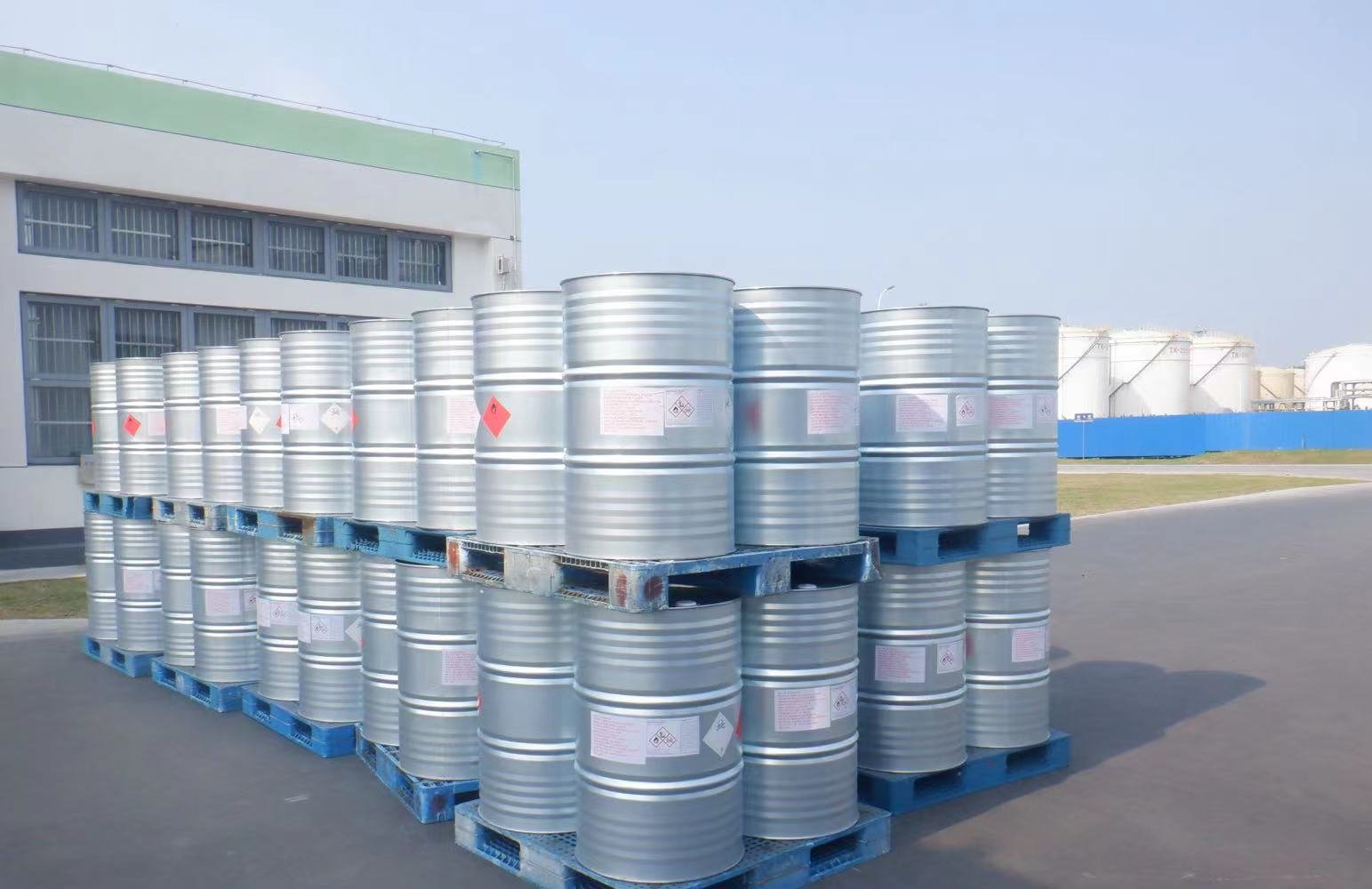
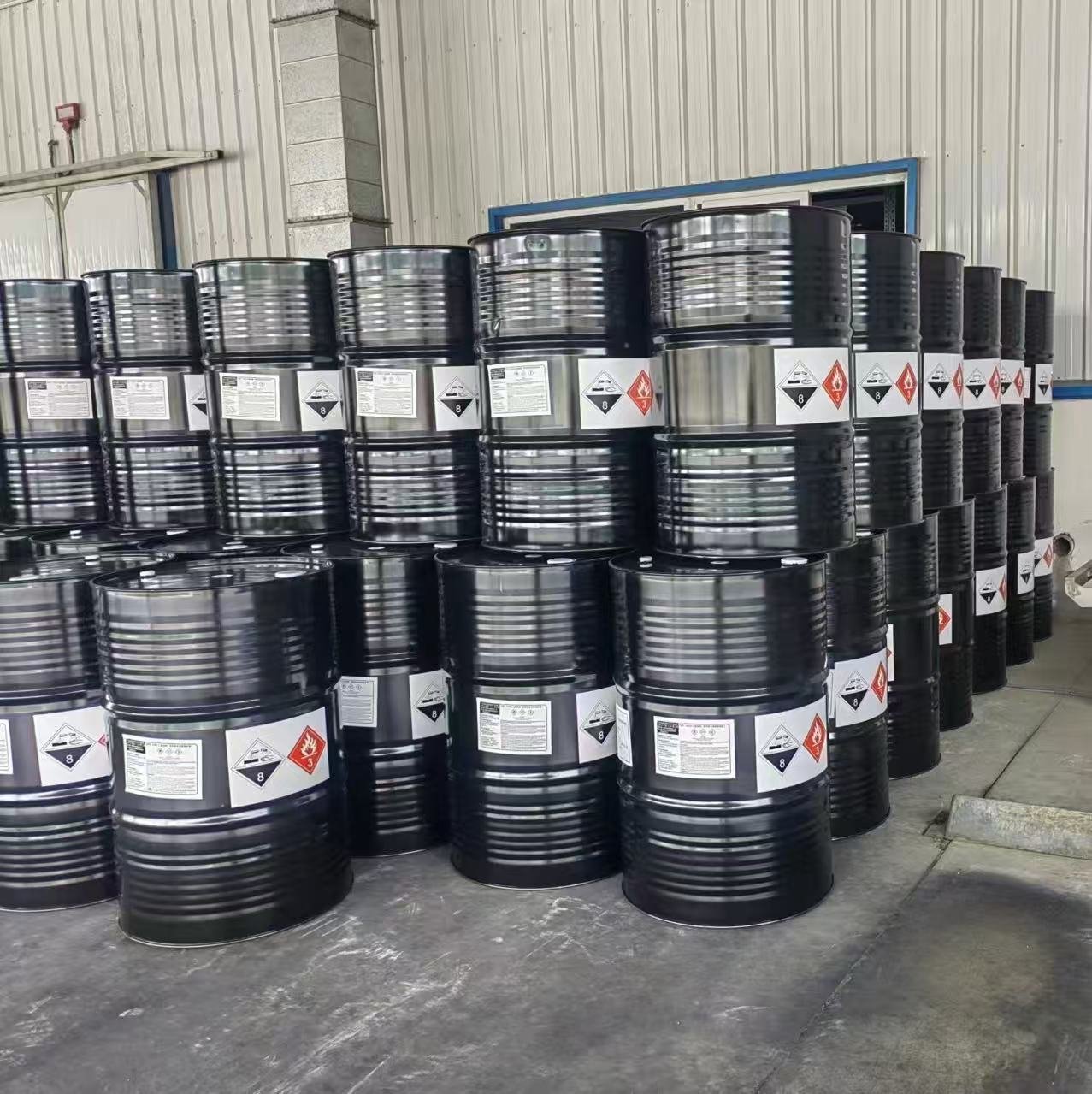
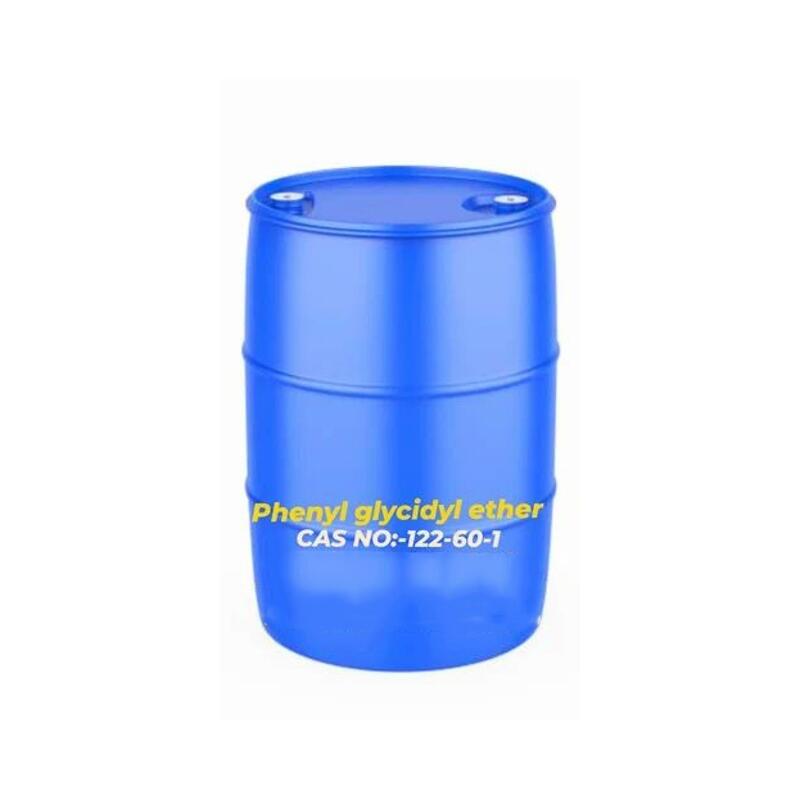
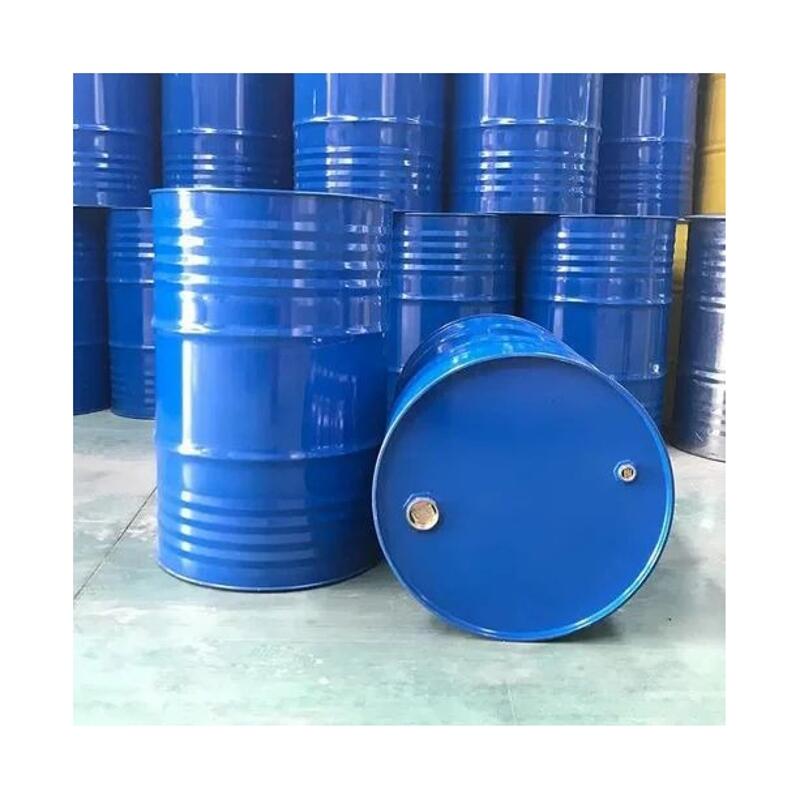
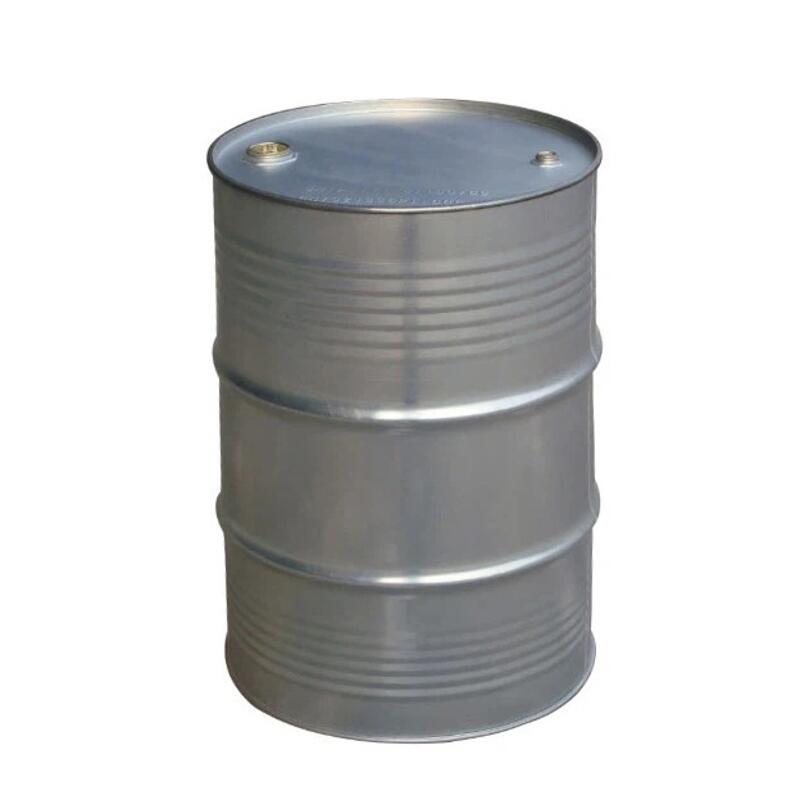
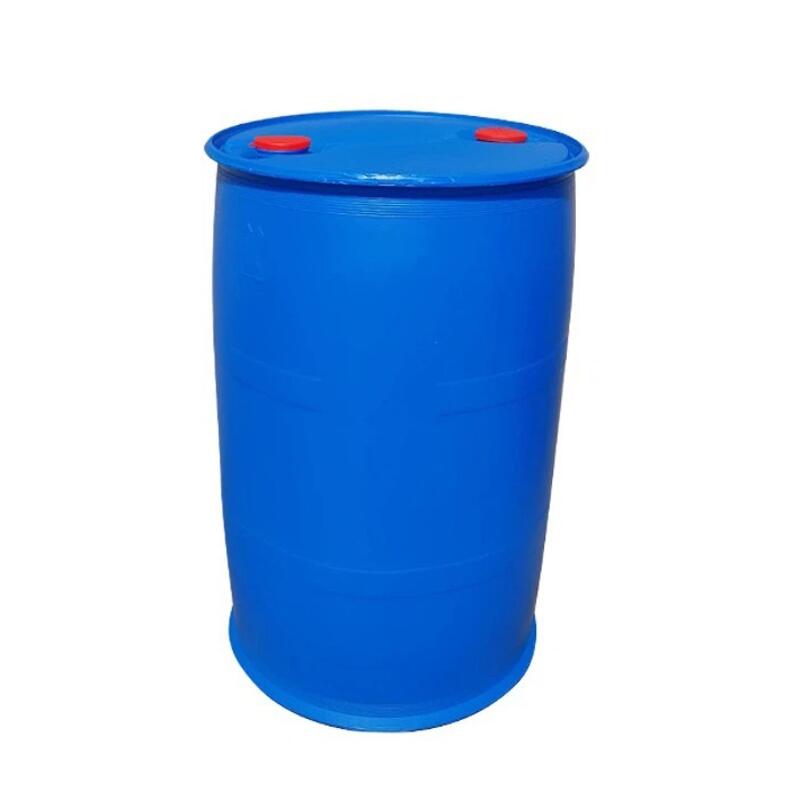
Packed in 25 kg/plastic drum or 200 kg/plastic drum or iron drum
7.5.Attention in Storage:
7.5.1. Storage and transportation must conform to basic requirements of hazardous
chemicals.
7.5.2. Stored in a cool, dark, dry and well ventilated area for one year. Keep away
from ignition sources, heat and flame and sunlight.
7.5.3. It is necessary to maintain insulated (tightly seal) after use, in order to avoid
negative influence arousing from moisture absorption.
7.5.4. This product irritates to the skin and eyes. If contact with skin, wash with soap;
if contact with eyes, rinse with plenty of water.
Product Detail
-
1. Introduction to Phenyl Glycidyl Ether (122-60-1)
Phenyl glycidyl ether, also known as 1,2-epoxy-3-phenoxypropane, is an organic compound with the chemical formula C9H10O2. It is a clear, colorless to pale yellow liquid with a faint, characteristic odor. Phenyl glycidyl ether is widely used as a reactive diluent, crosslinking agent, and intermediate in the synthesis of various chemicals and polymers due to its epoxy functional group and phenyl moiety. Its versatility and chemical properties make it valuable in industries such as adhesives, coatings, and pharmaceuticals.
2. Chemical Structure and Composition
Phenyl glycidyl ether is characterized by an epoxy group (oxirane ring) and a phenyl group attached to the same carbon atom, giving it its distinct chemical structure. The epoxy group provides reactivity, allowing phenyl glycidyl ether to participate in polymerization, crosslinking, and other chemical reactions. Its molecular formula indicates nine carbon atoms, ten hydrogen atoms, and two oxygen atoms.
3. Physical Properties of Phenyl Glycidyl Ether
Phenyl glycidyl ether is typically a clear, colorless to pale yellow liquid at room temperature. It has a boiling point of around 245°C and a density of approximately 1.09 g/cm³. The compound is sparingly soluble in water but miscible with many organic solvents such as ethanol, acetone, and ether. Its physical properties influence its handling, storage, and application in various industrial processes.
4. Industrial Applications
Phenyl glycidyl ether finds widespread use in industrial applications as a versatile chemical intermediate and reactive diluent. It serves as a crosslinking agent in epoxy resins, adhesives, and coatings, enhancing their mechanical properties, adhesion, and chemical resistance. Additionally, phenyl glycidyl ether is employed in the synthesis of pharmaceutical intermediates, plasticizers, and specialty chemicals.
5. Epoxy Resins and Polymer Composites
One of the primary applications of phenyl glycidyl ether is in the formulation of epoxy resins and polymer composites. As a reactive diluent, it improves the processability and flexibility of epoxy formulations, allowing for easier handling and application. Phenyl glycidyl ether also contributes to the formation of crosslinked networks within epoxy matrices, resulting in durable, high-performance materials used in construction, aerospace, and electronics.
6. Adhesives and Sealants
Phenyl glycidyl ether is utilized as a reactive diluent and crosslinking agent in the formulation of structural adhesives and sealants. It enhances the bonding strength, toughness, and chemical resistance of adhesive bonds, making them suitable for demanding applications in automotive, aerospace, and industrial assembly. Phenyl glycidyl ether-containing adhesives exhibit excellent adhesion to various substrates, including metals, plastics, and composites.
7. Pharmaceuticals and Fine Chemicals
Phenyl glycidyl ether serves as a valuable intermediate in the synthesis of pharmaceuticals, agrochemicals, and fine chemicals. It undergoes functionalization reactions to introduce specific chemical groups, enabling the production of diverse organic compounds with medicinal, agricultural, or specialty applications. Phenyl glycidyl ether-derived products contribute to advancements in healthcare, agriculture, and materials science.
8. Safety and Handling Considerations
While phenyl glycidyl ether offers numerous industrial benefits, proper handling and safety precautions are essential to minimize risks associated with its use. Exposure to phenyl glycidyl ether vapor, liquid, or aerosols may cause irritation to the skin, eyes, and respiratory tract. Adequate ventilation, personal protective equipment (PPE), and engineering controls should be employed to ensure safe handling and storage of phenyl glycidyl ether-containing products.
9. Environmental Impact and Regulatory Compliance
Efforts to mitigate the environmental impact of phenyl glycidyl ether production and usage focus on minimizing emissions, waste generation, and environmental contamination. Regulatory agencies impose restrictions on the use, handling, and disposal of phenyl glycidyl ether-containing products to protect human health and the environment. Compliance with.
| Items | Specifications |
|---|---|
| Chemical Formula | C₉H₁₀O₂ |
| Molecular Weight | 150.17 g/mol |
| CAS Number | 122-60-1 |
| Appearance | Colorless to pale yellow liquid |
| Odor | Characteristic |
| Density | ~1.075 g/cm³ at 20°C |
| Boiling Point | 252-253°C |
| Melting Point | -20°C |
| Flash Point | 122°C (closed cup) |
| Solubility | Insoluble in water, soluble in organic solvents |
| pH | Neutral |
| Vapor Pressure | 0.02 mmHg at 20°C |
| Purity | ≥ 98% |
| Storage | Store in a cool, well-ventilated area away from incompatible substances. Keep container tightly closed. Protect from heat and light. |
| Handling | Avoid contact with eyes, skin, and clothing. Use appropriate protective equipment. Avoid ingestion and inhalation. Dispose of according to local regulations. |
Product Detail
-
Product Name:
Phenyl glycidyl ether
Other Name:
Oxirane,2-(phenoxymethyl)-;Propane,1,2-epoxy-3-phenoxy-;Oxirane,(phenoxymethyl)-;2-(Phenoxymethyl)oxirane;1,2-Epoxy-3-phenoxypropane;Glycidyl phenyl ether;Phenol glycidyl ether;Phenyl 2,3-epoxypropyl ether;Phenyl glycidyl ether;3-Phenoxy-1,2-epoxypropane;3-Phenoxy-1,2-propylene oxide;γ-Phenoxypropylene oxide;1-Phenoxy-2,3-epoxypropane;2,3-Epoxypropyl phenyl ether;Glycidol phenyl ether;3-(Phenyloxy)-1,2-epoxypropane;(Phenoxymethyl)oxirane;2,3-Epoxy-1-phenoxypropane;2,3-Epoxypropoxybenzene;3-Phenoxy-1-propene oxide;Oxiranylmethyl phenyl ether;3-Phenoxypropylene oxide;(±)-Phenyl glycidyl ether;(±)-1,2-Epoxy-3-phenoxypropane;(±)-(Phenoxymethyl)oxirane;(±)-Glycidyl phenyl ether;Denacol EX 141;Heloxy 63;Heloxy Modifier 63;NSC 53476;NSC 635;PGE-H;Epoxy 690;(Phenyloxymethyl)oxirane;EX 141;Epiol P;K 103;YS 690;JX 016;O-Phenylglycidol;3-(Phenoxy)propylene epoxide;Diluent 690;Beihe CGE;XY 690;G 830179;66527-93-3
CAS No.:122-60-1
Molecular Formula:C9H10O2
InChIKeys:
InChIKey=FQYUMYWMJTYZTK-UHFFFAOYSA-N
Molecular Weight:
150.174
Exact Mass:
150.17
EC Number:
204-557-2
ICSC Number:
0188
NSC Number:
53476|635
UN Number:
2810
DSSTox ID:
DTXSID8021145|DTXSID2094134
Color/Form:
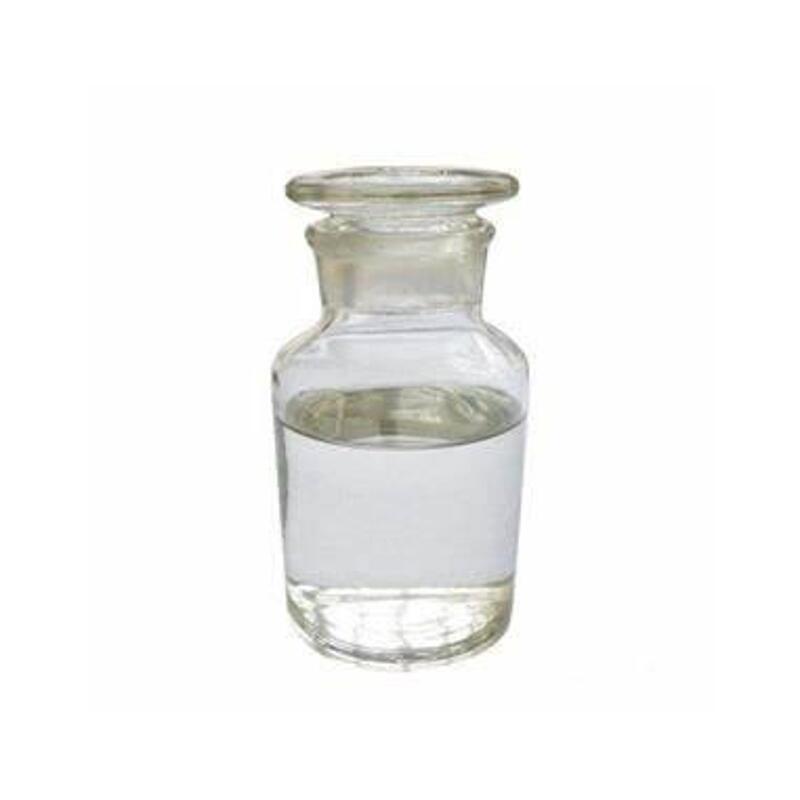
Colorless liquid (Note: A solid below 38 degrees F)
HScode:
2910900090
-
PSA:
21.76000
XLogP3:
1.74
Appearance:
Phenyl glycidyl ether is a colorless liquid. (NTP, 1992)
Density:
1.1092 g/cm3
Melting Point:
3.5 °C
Boiling Point:
245 °C @ Press: 760 Torr
Flash Point:
94.8±19.4 °C
Refractive Index:
1.537
Water Solubility:
1 to 5 mg/mL at 64° F (NTP, 1992)
Storage Conditions:
Keep container closed when not in use. Store in a cool, dry, well-ventilated area away from incompatible substances.
Vapor Pressure:
0.01 mm Hg at 68 °F (NTP, 1992)
Vapor Density:
5.2 (vs air)
Henrys Law Constant:
Henry’s Law constant = 8.2X10⁻⁷ atm-cu m/mol at 25 °C (est)
Experimental Properties:
Hydroxyl radical reaction rate constant = 2.9X10⁻¹¹ cu cm/molec-sec at 25 °C (est)
Air and Water Reactions:
Ethers tend to form unstable peroxides when exposed to oxygen. Ethyl, isobutyl, ethyl tert-butyl, and ethyl tert-pentyl ether are particularly hazardous in this respect. Ether peroxides can sometimes be observed as clear crystals deposited on containers or along the surface of the liquid. Slightly soluble in water.
Reactive Group:
Ethers
Reactivity Alerts:
Peroxidizable Compound
Reactivity Profile:
PHENYL GLYCIDYL ETHER, an ether, can act as a base. They form salts with strong acids and addition complexes with Lewis acids. The complex between diethyl ether and boron trifluoride is an example. Ethers may react violently with strong oxidizing agents. In other reactions, which typically involve the breaking of the carbon-oxygen bond, ethers are relatively inert.
Peroxide Forming Chemical:
1,2-Epoxy-3-phenoxypropane|D: Other compounds that may form peroxides|Kelly
Flammable Limits:
Combustible|Class IIIB Combustible Liquid: Fl.P. at or above 200°F.
Classification of the substance or mixture
Skin irritation, Category 2
Skin sensitization, Category 1
Acute toxicity – Category 4, Inhalation
Specific target organ toxicity â single exposure, Category 3
Germ cell mutagenicity, Category 2
Carcinogenicity, Category 1B
Hazardous to the aquatic environment, long-term (Chronic) – Category Chronic 3
GHS label elements, including precautionary statements
| Pictogram(s) |   |
|---|---|
| Signal word | Danger |
| Hazard statement(s) | H315 Causes skin irritation
H317 May cause an allergic skin reaction H332 Harmful if inhaled H335 May cause respiratory irritation H341 Suspected of causing genetic defects H350 May cause cancer H412 Harmful to aquatic life with long lasting effects |
| Precautionary statement(s) | |
| Prevention | P264 Wash … thoroughly after handling.
P280 Wear protective gloves/protective clothing/eye protection/face protection/hearing protection/… P261 Avoid breathing dust/fume/gas/mist/vapours/spray. P272 Contaminated work clothing should not be allowed out of the workplace. P271 Use only outdoors or in a well-ventilated area. P203 Obtain, read and follow all safety instructions before use. P273 Avoid release to the environment. |
| Response | P302+P352 IF ON SKIN: Wash with plenty of water/…
P321 Specific treatment (see … on this label). P332+P317 If skin irritation occurs: Get medical help. P362+P364 Take off contaminated clothing and wash it before reuse. P333+P317 If skin irritation or rash occurs: Get medical help. P304+P340 IF INHALED: Remove person to fresh air and keep comfortable for breathing. P317 Get medical help. P319 Get medical help if you feel unwell. P318 IF exposed or concerned, get medical advice. |
| Storage | P403+P233 Store in a well-ventilated place. Keep container tightly closed.
P405 Store locked up. |
| Disposal | P501 Dispose of contents/container to an appropriate treatment and disposal facility in accordance with applicable laws and regulations, and product characteristics at time of disposal. |
Other hazards which do not result in classification
no data available
Precautions for safe handling
NO open flames. Handling in a well ventilated place. Wear suitable protective clothing. Avoid contact with skin and eyes. Avoid formation of dust and aerosols. Use non-sparking tools. Prevent fire caused by electrostatic discharge steam.
Conditions for safe storage, including any incompatibilities
Store in an area without drain or sewer access. Separated from strong oxidants, strong bases, strong acids and amines. Cool. Keep in the dark.Store in an area without drain or sewer access. Seperated from strong oxidants, strong bases, strong acids and amines. Cool. Keep in the dark.
| ACF Chemical Co., Ltd. Athena phone/whatsapp:008613805212761 email:ceo@acfchemical.com No. 45 Pengwan Road, Qianwan Bonded Port Area, Qingdao Area, China (Shandong) welcome to vist our factory. |
|
| Product | CAS: |
| Poly(VinylEthylEther | 25104-37-4 |
| Dodecyl methacrylate,LMA | 142-90-5、142-84-7 |
| DAIP DIALLYL ISOPHTHALATE | 1087-21-4 |
| 2-Ethylhexyl nitrate | 27247-96-7 |
| Isopropylphenyl phosphate | 68937-41-7 |
| 2-1sopropylimidazole | 36947-68-9 |
| Vinyl 2-Ethylhexanoate | 94-04-2 |
| Tolylene-2,4-diisocyanate TDI | 584-84-9 |
| Octyl-3,5-di-tert-butyl-4-hydroxy-hydrocinnamate | 125643-61-0 |
| Antioxidant 1010 | 6683-19-8 |
| Antioxidant 1076 | 2082-79-3 |
| AT-168 | 31570-04-4 |
| Nitrilotrimethylenetris(phosphonic acid)ATMP | 6419-19-8 |
| DTPMPA [[(phosphonomethyl)imino]bis[ethane-2,1- diylnitrilobis(methylene)]]tetrakisphosphonic acid |
15827-60-8 |
| PBTC 2-phosphonobutane-1,2,4-tricarboxylic acid |
37971-36-1 |
| Hydrolyzed Polymaleic Anhydride(HPMA) | 26099-09-2 |
| Methyltetrahydrophthalic andhydride(MTHPA) | 11070-44-3 |
| Methylhexahydrophthalic andhydride(MHHPA) | 25550-51-0 |
| 4-MHHPA Hexahydro-4-methylphthalic anhydride | 19438-60-9 |
| Methyl Nadic Anhydride(MNA) | 25134-21-8 |
| 3,4,5,6-THPA 3,4,5,6-Tetrahydrophthalic anhydride | 2426-02-0 |
| Toluenesulfonamide(0/PTSA) | 1333-07-9 |
| Diphenyl sulfone(DPS) | 127-63-9 |
| Propylenetetramer | 6842-15-5 |
| TBPO(tert-Butyl2-ethylhexaneperoxoate) | 3006-82-4 |
| LABSA (Linear-Alkylbenzenesulfonic Acid) | 27176-87-0 |
| EDA (Ethylenediamine) | 107-15-3 |
| Dimethyl carbonate DMC | 616-38-6 |
| MMT Methylcyclopentadienyl manganese tricarbonyl | 12108-13-3 |
| C12/18 TERTIARY AMINE(MB) | 68391-04-8 |
| Alkyl (C12-C14) Glycidyl Ether (AGE) | 68609-97-2 |
| NMA(N-methylaniline) | 100-61-8 |
| N-ethylaniline | 103-69-5 |
| C12-14-alkyldimethylamines | 84649-84-3 |
| 1-Propene, 2-methyl-, homopolymer, hydroformylation products , reaction products with ammonia | 337367-30-3 |
| PEG-40 Castor Oil (Castor oil 40 EO, Castor oil ethoxylated 40 EO) | 61791-12-6 |
| Hydrogenated PEG-40 Castor Oil (Hydrogenated castor oil 40 EO, hydrogenated castor oil ethoxylate 40 EO) – CAS 61788-85-0 | 61788-85-0 |
| Ethoxylated cocoamine EO 2 (PEG-2 cocoamine) – CAS 61791-14-8 | 61791-14-8 |
| Hydrogenated Tallow Amine ethoxylate EO 8 (PEG-8 Hydrogenated Tallow Amine) – CAS: 61791-26-2 | 61791-26-2 |
| Phenyl Glycidyl Ether | 122-60-1 |


