
product description
What is Tetrahydrofuran?
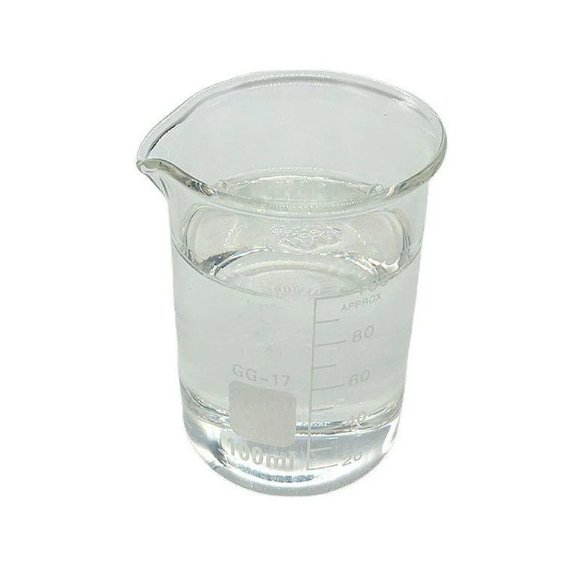
Tetrahydrofuran (THF, CAS 109-99-9) is a colorless, highly volatile cyclic ether solvent. As a polar aprotic solvent, it has the characteristics of low viscosity, good solubility, and miscibility with water and organic solvents. It is used in the synthesis of polymers, the production of pharmaceutical intermediates and electronic chemicals.It is also the main monomer solvent in polyvinyl chloride (PVC) and polyurethane industries.
Tetrahydrofuran Structural Formula :

Tetrahydrofuran Specification
| Analyze Project | Criteria | Test results | Single judgment |
| Product Name | Tetrahydrofuran | ||
| CAS NO.. | 109-99-9 | ||
| Appearance | Colorless and transparent, no visible impurities | Colorless and transparent | Passed |
| Tetrahydrofuran % (wt) | ≥99.9 | 99.9535 | Passed |
| Water % (wt) | ≤0.01 | 0.008 | Passed |
| Colour (APHA) | ≤10 | 5 | Passed |
| Peroxide % (wt) | ≤0.01 | 0.0014 | Passed |
Physical and Chemical Properties of Tetrahydrofuran:
Boiling Point: 66°C
Melting Point: -108.5°C
Density (@ 20°C): 0.889 g/cm³
Flash Point: -17°C (closed cup)
Vapor Pressure (20°C): 143 mmHg
Solubility: Miscible with water, ethanol, acetone, and most organic solvents
Dielectric Constant: 7.6 (polar aprotic)
Application of Tetrahydrofuran:
1.Polymer industry (polyvinyl chloride and polyurethane)
Tetrahydrofuran (THF) has excellent solubility, rapid volatility and good compatibility with a variety of resins (such as PVC, polyurethane, chloroprene rubber). It is the main solvent for the production of polyvinyl chloride adhesives and polyurethane coatings.
2. Drug synthesis
THF can be used not only as a reaction solvent in the pharmaceutical industry, but also as a reaction medium for Grignard reaction, organometallic synthesis and lithiation process in the synthesis of API and intermediates. It is used in the crystallization solvent system of various APIs to control the crystal form and improve the purity. At the same time, in the extraction or synthesis of natural products such as steroids, antibiotics, oxygen-containing heterocyclic drugs, Tetrahydrofuran is often used for secondary extraction or chromatography purification to improve the recovery rate and purity of the target product.
3. Electronics and Semiconductors
THF has low residue and fast drying properties and is used for photoresist stripping, wafer cleaning and polymer dielectric coating. Electronic grade THF meets strict impurity limit requirements.
4. Battery electrolyte research and development
In the development of electrolytes for high energy density batteries (such as lithium batteries), it is used to improve ion mobility and interface stability. In addition, in some microelectronics manufacturing processes, Tetrahydrofuran can also be used as part of etching solutions, cleaning agents or device processing solvents.
Packaging of Tetrahydrofuran:
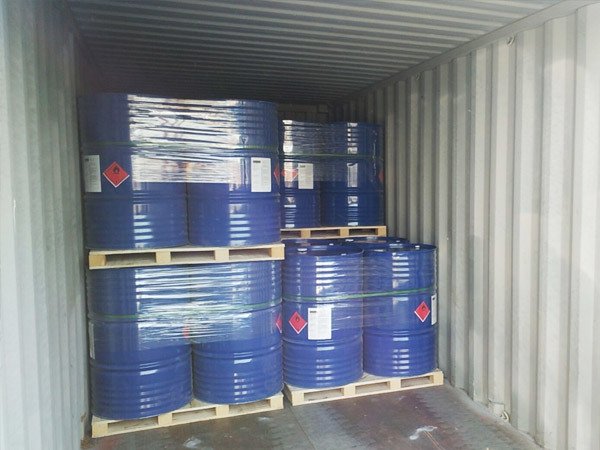
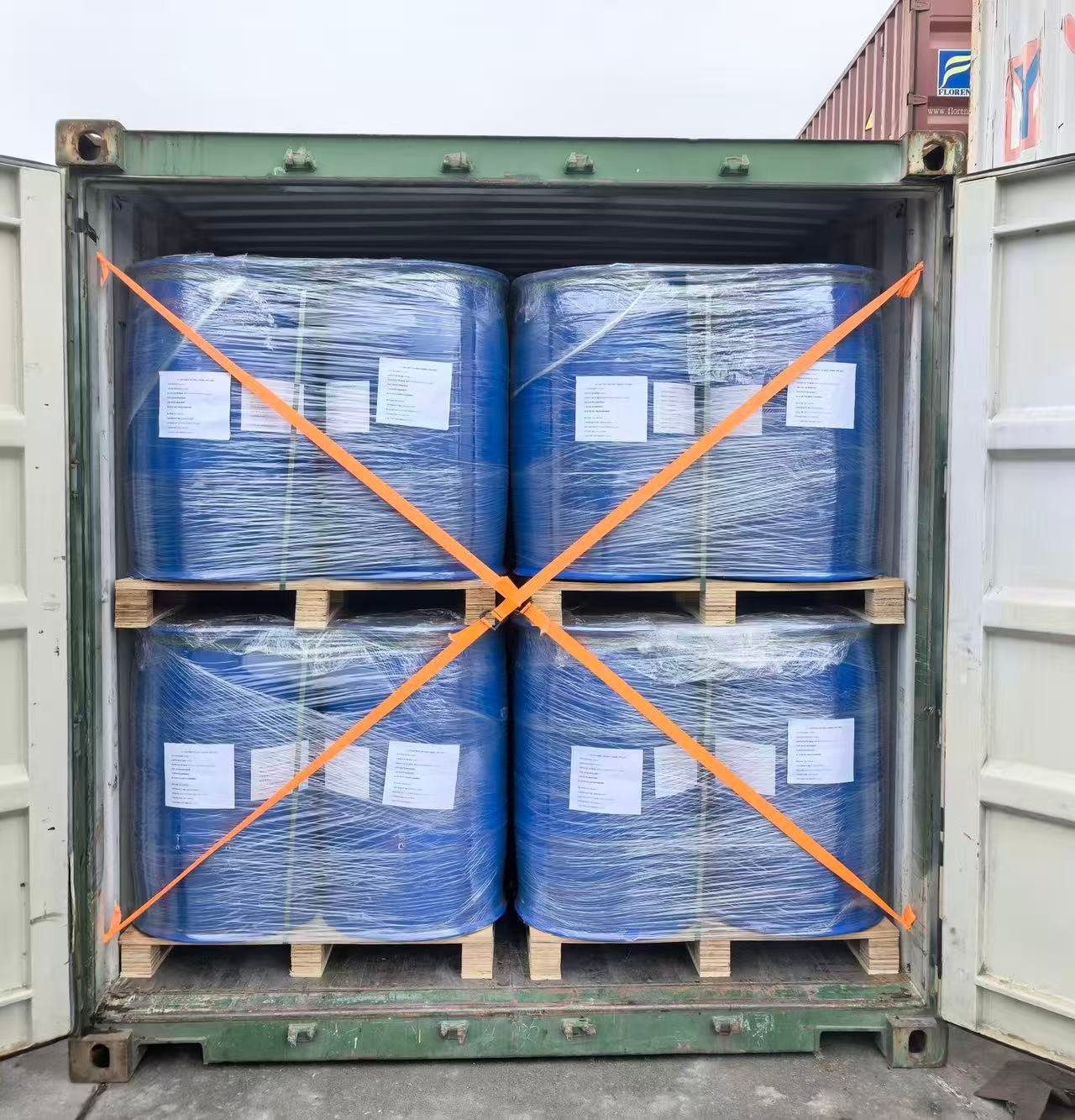
Standard Packaging: 25KG drum, 180KG steel drum
Bulk Shipment: ISO tank
Labeling: UN2056, Class 3, PG II, Flammable Liquid
Storage Conditions of Tetrahydrofuran:
Store in tightly sealed containers away from light and heat sources
Use explosion-proof ventilation in storage areas
Regularly test for peroxide formation if stored long-term
Shelf life: 6–12 months with stabilizer under 20°C
Safety Data of Tetrahydrofuran:
Hazard Class: Flammable Liquid (Class 3)
Flash Point: -17°C
PPE Requirements: Flame-resistant gloves, goggles, local exhaust ventilation
Environmental Note: Avoid discharge into drains or watercourses.
Superiority
What kind of chemical products do you primarily offer?
ACF Chemical Co., Ltd. have a broad product line covering fine chemicals, basic chemicals, and specialty chemicals. If you have a specific requirement, please let us know. We can provide a detailed product catalog or a customized sourcing plan.
How do you guarantee the quality and purity of your products?
Our reputation is built on stringent quality control. All our products go through a rigorous supplier vetting process and internal quality checks. We ensure that our products comply with international standards and can provide a Certificate of Analysis (COA) and other relevant documents upon request.
What are your shipping and delivery times like?
We offer a variety of flexible logistics options, including sea freight, air freight, and land transport. Delivery time depends on product availability and the destination. We will provide an estimated delivery timeline upon order confirmation.
What is the Minimum Order Quantity (MOQ)? What is the ordering process?
The minimum order quantity is generally 1kg, but varies depending on the specific product. Please let us know the product you’re interested in, and our sales team will provide you with detailed information. The typical ordering process is: confirm the quote → sign the contract → pay the deposit → arrange production and shipment → pay the balance.
Can I get technical support if I encounter issues with a product?
Absolutely. Our professional team has extensive industry knowledge and can provide support on product applications, technical parameters, and solutions. Please feel free to contact us for assistance at any time.
Can we get a sample before placing a bulk order? What payment methods do you accept?
Yes, we can usually provide samples. Depending on the product and quantity, samples may be free, but the shipping cost is typically borne by the customer. Regarding payment methods, we primarily accept T/T (Telegraphic Transfer). For long-term partners, we can discuss other flexible payment
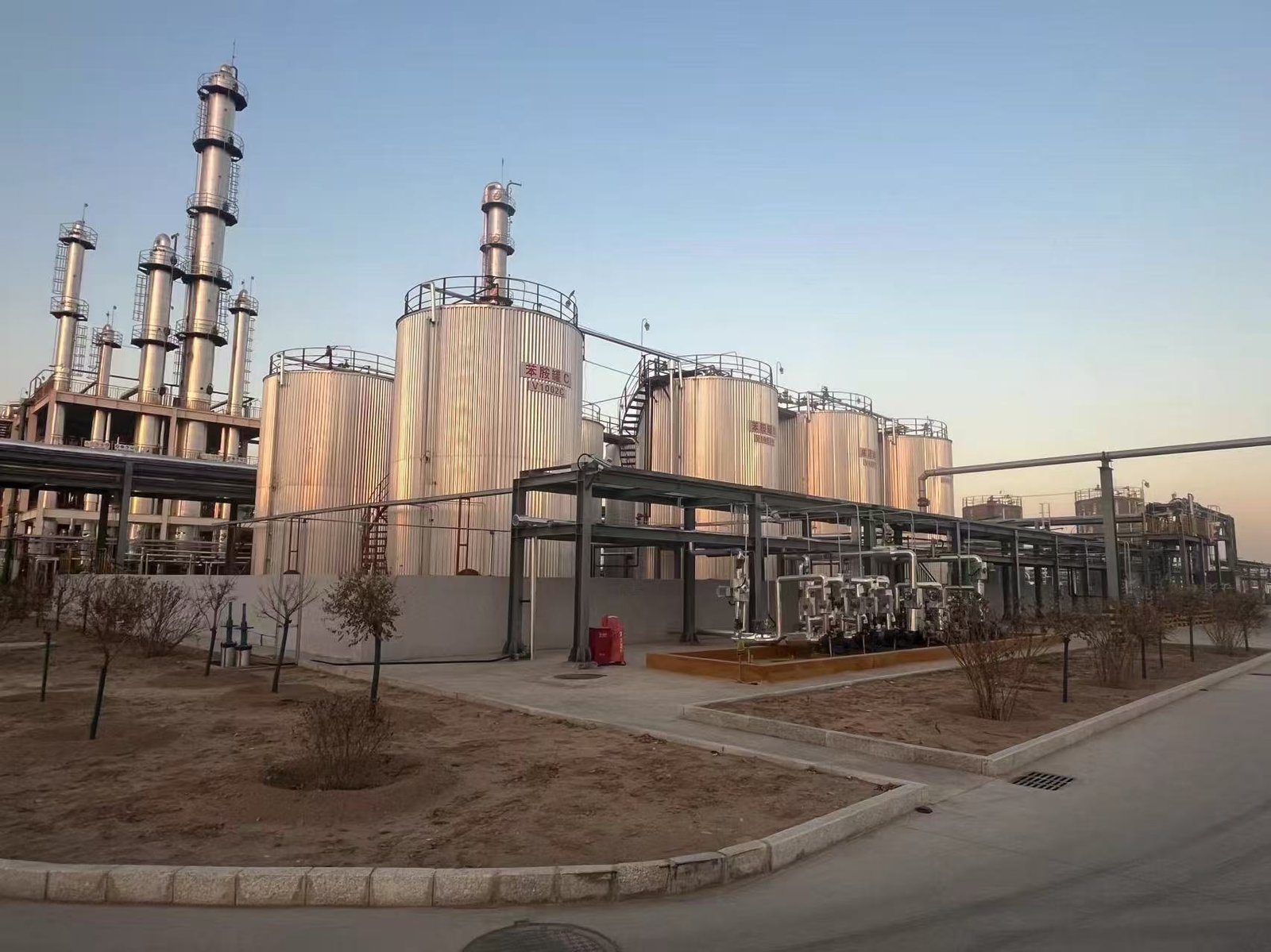
| ACF Chemical Co., Ltd. Eason phone/whatsapp:008615252035038 email:purchase@acfchemical.com No. 45 Pengwan Road, Qianwan Bonded Port Area, Qingdao Area, China (Shandong)welcome to vist our factory. sample is free ACF Chemical Qingdao Co., Ltd. was established in 1987. the company has over decades of experience in the production of methacrylate and acrylate series products, as well as high-efficiency polymerization inhibitors and rubber and plastic antioxidant series products. The company’s leading products are high-efficiency polymerization inhibitor series products, with an annual production capacity of 1,000 tons of tert-butylhydroquinone (TBC), 800 tons of polymerization inhibitor TH-701, 500 tons of polymerization inhibitor TH-A294, 500 tons of polymerization inhibitor TH-100BE, 500 tons of phenothiazine, and 200 tons of hydroquinone. |
|
| Nitrilotriacetic acid | 139-13-9 |
| Phthallc anhydride | 85-44-9 |
| Di-tert-butyl peroxide | 110-05-4 |
| 2,2,4-Trimethylpentane ( Alkylate ) | 540-84-1 |
| Tris(2-aminoethyl)amine | 4097-89-6 |
| 1-HBXBnE | 592-41-6 |
| 1-Octene | 111-66-0 |
| Tert-butyl cumyl peroxide | 3457-61-2 |
| n-Propyl acrylate | 925-60-0 |
| Vinyl Acetate | 108-05-4 |
| Vinyl Propionate | 105-38-4 |
| Vinyl Butyrate | 123-20-6 |
| Vinyl Caproate | 3050-69-9 |
| Vinyl Caprylate | 818-44-0 |
| 1-Propene, 2-methyl-, homopolymer, hydroformylation products , reaction products with ammonia | 337367-30-3 |
| PEG-40 Castor Oil (Castor oil 40 EO, Castor oil ethoxylated 40 EO) | 61791-12-6 |
| Hydrogenated PEG-40 Castor Oil (Hydrogenated castor oil 40 EO, hydrogenated castor oil ethoxylate 40 EO) – CAS 61788-85-0 – 20 mt | 61788-85-0 |
| Ethoxylated cocoamine EO 2 (PEG-2 cocoamine) – CAS 61791-14-8 | 61791-14-8 |
| Ethoxylated cocoamine EO 10 (PEG-10 cocoamine) – CAS 61791-14-8 | 61791-14-8 |


